
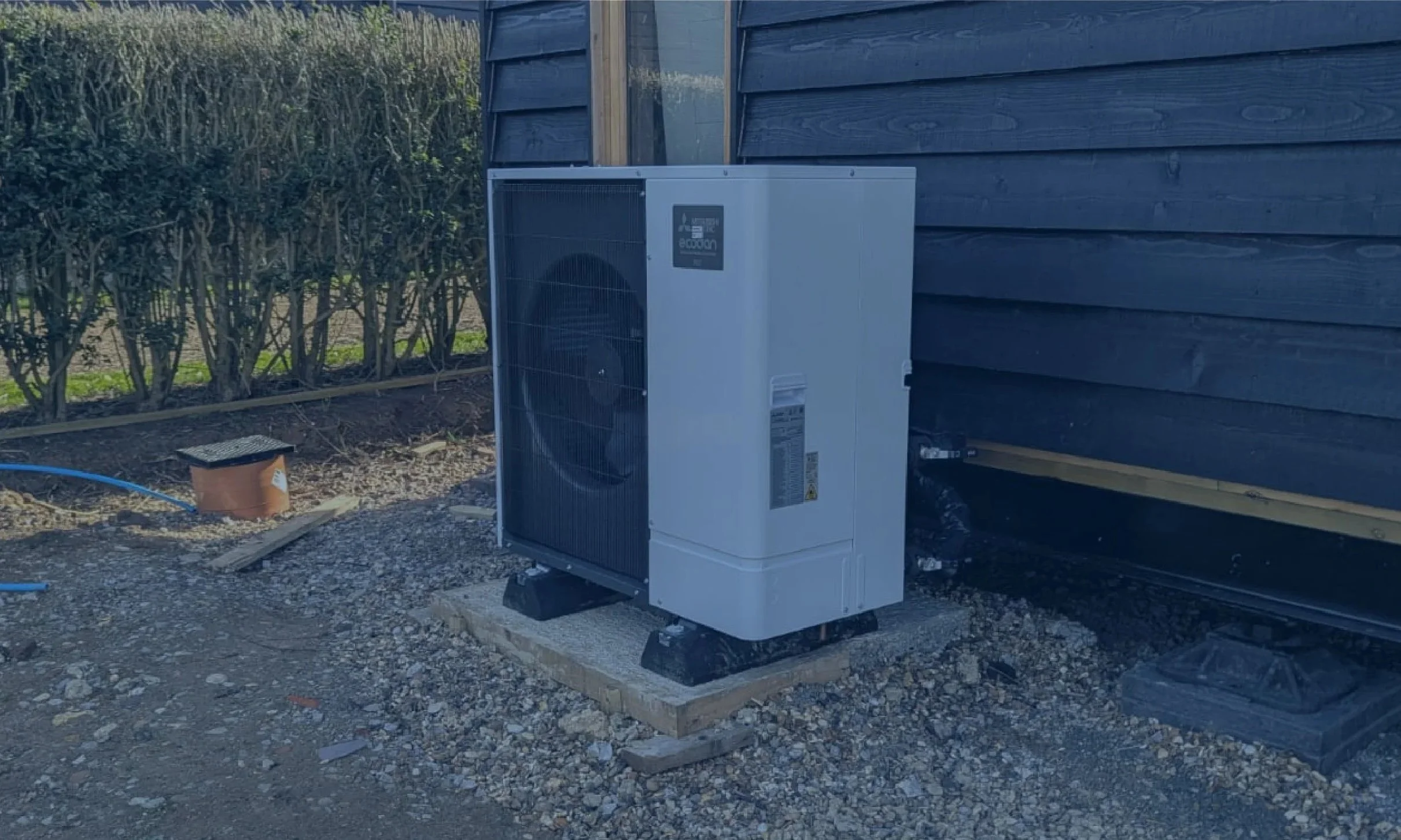
Boiler Upgrade Scheme (BUS Grant) Eligibility Explained
The BUS grant (also referred to as the BUS scheme or the Boiler Upgrade grant) is the UK government’s Boiler Upgrade Scheme, offering up to £7,500 towards heat pump installations in eligible homes. This is a fantastic government initiative designed to help homeowners in England and Wales make the switch to eco-friendly heating systems.
In this blog post, we’ll take you through who’s eligible, the common application hurdles, and how to make the process as smooth as possible. Whether you’re upgrading an existing heating system or working on a self-build, knowing the key details will help you secure your grant and get your heat pump installed without stress.
Key Takeaways
- Receive £7,500 to install an air or ground source heat pump through the Boiler Upgrade Scheme.
- Eligible properties include homes in England and Wales that are either installing their first central heating system or replacing traditional fossil fuel or direct electric heating systems
- Applications must be made through an MCS-certified installer, like Alto Energy, with the option to reduce the upfront cost
- Scottish residents can access a similar scheme through the Home Energy Scotland loan, which helps fund energy-efficient upgrades.
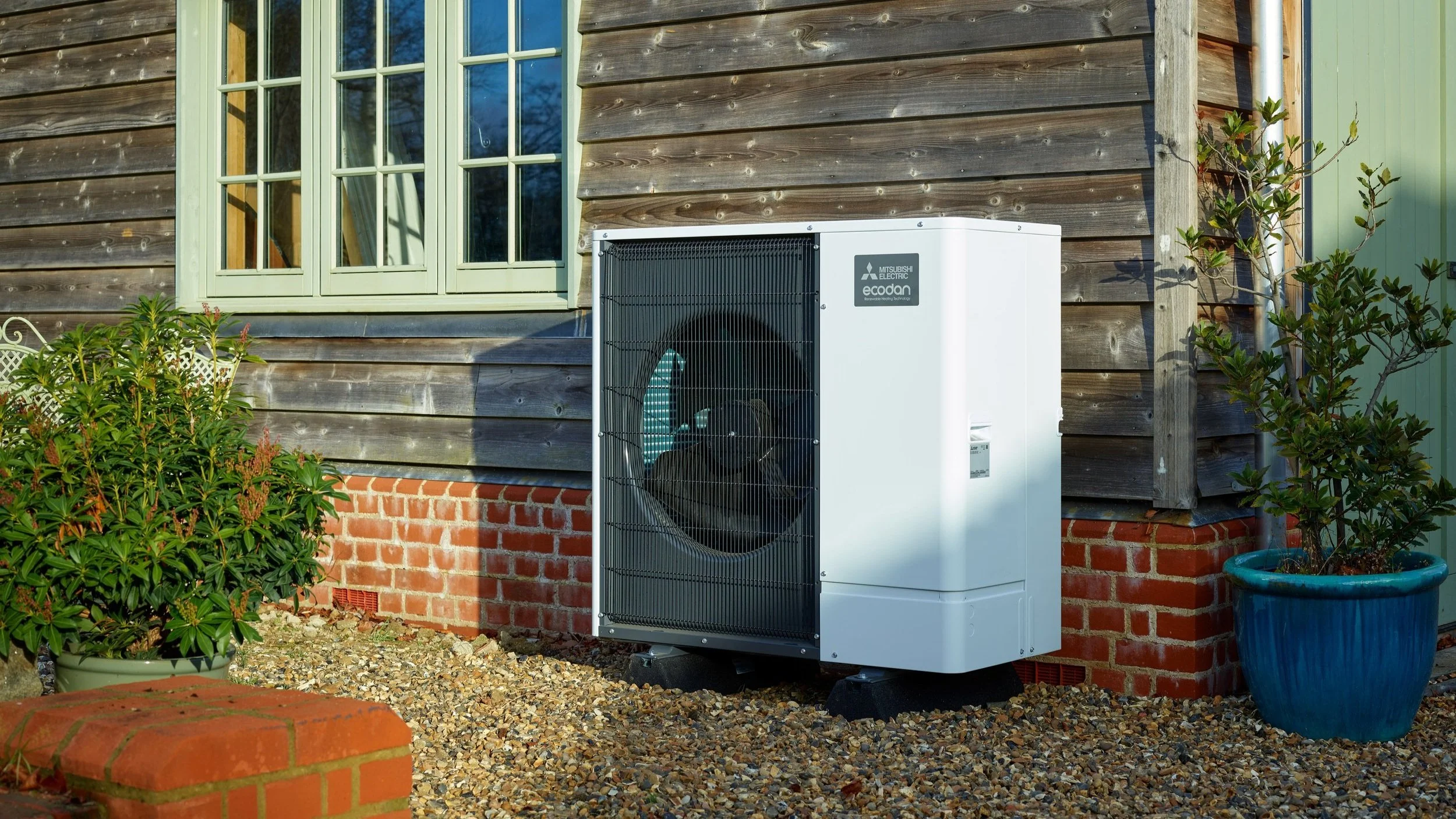
Mitsubishi Ecodan air source heat pump
At Alto Energy, we have almost a decade of experience in renewable energy solutions, and I've personally spent the last four years guiding homeowners through the BUS grant application process. We're passionate about helping our customers meet all the requirements, avoid those tricky pitfalls, and have a smooth and stress-free application experience.
So, grab a cuppa and settle in, because I've put together this comprehensive guide to help you understand everything you need to know about Boiler Upgrade Scheme eligibility, the common challenges you might face, and how we at Alto Energy can be your trusted partner every step of the way!
BUS Grant Eligibility Criteria
To qualify for the BUS grant, homeowners must meet specific Boiler Upgrade Scheme eligibility criteria depending on whether the property is a new build or an existing home undergoing a retrofit.
Updated Eligibility Checklist (2026)
| Requirement | Retrofits | Self-Build |
|---|---|---|
| Location | Your property must be in England or Wales. | Your property must be in England or Wales. |
| Ownership | You or your company must own the property. | You must own the property as an individual. Commercially owned new builds are not eligible. |
| Property Usage | Any residential or commercial property. | Residential properties only. |
| Old Heating System | You must be replacing an existing heating system such as gas, oil, LPG, or electric storage heaters. | This must be the property’s first central heating system. |
| Installer | The installer must be MCS-certified. They will handle the grant application for you. Our team at Alto Energy will manage the process. | The installer must be MCS-certified. They will handle the grant application for you. Our team at Alto Energy will manage the process. |
| Documents Needed | A valid EPC issued within the last 10 years. | Evidence of ownership and build financing, typically including the Official Copy of the Title Deed and invoices for substantial structural materials or labour. |
| Insulation Rules | New in 2026: You no longer need to address all outstanding loft or cavity wall insulation recommendations. | The property must be built to current Building Regulations. |
In short: You are eligible for the BUS grant for a retrofit if you own a home in England or Wales and are replacing an existing fossil fuel or electric storage heating system. For a self-build, you must personally own a new property in England or Wales with no previous heating system installed. In both cases, the heat pump must be installed by an MCS-certified installer and the required documentation provided.
Once you meet the general eligibility requirements above, there are additional rules that apply depending on whether your property is a self-build or a retrofit/renovation:
For Self-builds:
The property must not have had a heating system installed before the heat pump's commissioning date and must meet the specific requirements for new-build properties.
The property must have been built primarily by the first owner using their own resources or labour.
It must never have been owned by a company or be part of a large-scale property development.
For Retrofits and Renovations:
The property must have had a previous heating system. Documentation, such as a valid and up-to-date Energy Performance Certificate (EPC), is essential.
If the EPC lists an air source or ground source heat pump, you'll need to provide additional proof of the old heating system.
For retrofits and renovations, properties owned by companies are eligible.
For company-owned properties, the consent provider must be a company officer (e.g., director or secretary), and their personal details must be used in the application.
Common Application Hurdles
Based on our experience, here are some common challenges and pitfalls you might encounter during the Boiler Upgrade grant application process:
The 120-Day Deadline
Since May 8, 2024, Ofgem has introduced a 120-day deadline for submitting applications. This means you must submit your application within 120 days of the heat pump's commissioning date, and that includes responding to any requests for information from Ofgem. Missing this deadline will lead to rejection, so it's crucial to be organised and efficient.
Example: If your heat pump was commissioned on October 1, 2024, your application deadline is January 29, 2025. Don't let delays in gathering documents or responding to Ofgem's inquiries jeopardize your grant!
Tip: Start preparing your documentation early and let us handle the submission process to ensure you meet the deadline.

Worcester Bosch Compress 2000 air source heat pump
Documentation Issues
For New Builds:
Missing or Insufficient Documentation: You must provide self-build invoices to verify that the property is a new build. These invoices must include significant structural materials or labor totaling at least £20,000 (e.g., foundations or timber frames). Minor works, such as re-wiring or kitchen fitting, are not sufficient. The invoices must include the homeowner’s name and the property address. Missing or incomplete documentation can cause delays or even lead to rejection.
Invoice Address Errors: Invoices must be addressed to the property owner (not a company) and must match the installation address. If invoices are linked to a company (even if it's the homeowner's company), you may need to provide personal bank statements to verify payments.
For Retrofits and Renovations:
For straight retrofits and renovations, you must have had an old heating system in the property, and you'll need proof of this, such as a valid EPC. If your current EPC shows an air source heat pump or ground source heat pump, you'll need to submit additional proof of the old heating system.
If the property has a secondary heating system, such as a wood burner, Ofgem may ask for clarification regarding its purpose.
And no, your EPC ratings does not matter, and you don’t need to get renew your EPC to apply for the Boiler Upgrade Scheme, even if you’re having a renovation.
For Annexes:
Ofgem can be quite strict when it comes to annexes, as the planning permission must clearly specify the property type and the exact wording is important. If it refers to a side extension or an ancillary building rather than a standalone annexe, the application may be rejected.
To be eligible for BUS, the annexe must also have its own registered address and council tax record as proof that it is a separate dwelling. Once the council tax registration is in place and provided as evidence, even if the planning wording states “ancillary building,” we can proceed with the application using this as formal proof.
Planning Permission Confusion
For new builds, planning permission must have been obtained by the homeowner as an individual, not a developer or company. Applications linked to company-obtained planning permissions are usually rejected.
Complex Cases (e.g., Gifting or Inheritance)
Properties that involve gifting, inheritance, or separate funders require additional documentation, such as a solicitor's confirmation or a build contract. These situations often require personalized guidance to navigate successfully.
Operating the Heat Pump Before Commissioning
It's crucial to avoid operating the heat pump before its official commissioning date. Doing so can put your BUS Grant eligibility at risk, as the scheme requires the heat pump to be operated only after commissioning and as part of the approved installation process.
Boiler upgrade scheme Grant Application Timeline

Alto Energy Heat Pump Installation
Understanding the timeline of a Boiler Upgrade Scheme grant application is crucial for ensuring everything runs smoothly. Here's an outline of the process, from the moment we request information to when you receive your grant funds.
Step 1: Requesting Information (Pre-Commissioning)
Once the Technical Sign Off (TSO) is completed, we begin requesting all the necessary information and documents from you. We aim to gather everything before the heat pump commissioning takes place. This gives us time to carefully review and ensure that all documents are correct and compliant with the Boiler Upgrade Scheme requirements.
Step 2: Commissioning and Application Submission
After the heat pump is commissioned, we have a 120 day window to complete all necessary paperwork and issue the MCS Certificate for your installation, which is required to redeem the grant from the government. We aim to submit the application immediately after the commissioning to ensure we stay within the 120-day deadline.
Step 3: Awaiting Ofgem Approval
Once the application is submitted, Ofgem will review the information and documentation. In some cases, they may request further information or clarification. If additional information is required, we’ll promptly address it to keep the process moving forward.
Step 4: Redemption Process
After receiving approval from Ofgem, we will proceed with the voucher redemption. Our accounting department will submit the necessary paperwork to redeem the grant from Ofgem. This process typically takes 2-3 weeks from the time the voucher is approved.
Step 5: Snags and Final Works
If there are any minor works or snags to complete after commissioning (e.g., awaiting confirmation that further works have been finished or receiving the EIC for the property), we must ensure all snags are completed before we can proceed with the funds transfer. This ensures that everything is fully compliant and meets the necessary standards for the grant.

Alto Energy Heat Pump Engineers
Why Choose Alto Energy?
With almost a decade of industry experience and my personal two-year focus on BUS grant applications, we offer unparalleled support to our customers:
Comprehensive Document Review: Before applying, we meticulously review your documents to ensure they meet all the requirements, helping you avoid delays or rejections.
Accurate and Timely Submissions: We keep track of deadlines, handle submissions, and address any queries from Ofgem, ensuring your application is processed smoothly and on time.
Expert Guidance: Our in-depth understanding of the process helps us address challenges efficiently, giving you peace of mind throughout the journey.
Audit Preparedness: We ensure that all information provided is accurate and compliant, minimising the risk of issues during audits or compliance checks.
The BUS grant is a fantastic opportunity for homeowners to embrace low-carbon heating systems, but the application process can be daunting.
At Alto Energy, we're here to simplify things for you. We'll leverage our extensive expertise and my personal experience to guide you every step of the way.
Whether you're embarking on a new build or a retrofit, we'll help you meet the requirements, steer clear of pitfalls, and secure your grant with confidence.
Want to apply for the Boiler Upgrade Scheme? Get in touch with us today!
BUS Grant Eligibility FAQs
Yes, if you live in England or Wales, you may qualify for a grant through the Boiler Upgrade Scheme. The scheme provides funding to replace fossil fuel boilers with low-carbon options like heat pumps or biomass boilers.
Homeowners in England or Wales may be eligible if they are replacing a fossil fuel heating system with a heat pump or biomass boiler. Properties owned by companies are also eligible as long as they are residential. A valid Energy Performance Certificate (EPC) is required. From 8th May 2024, the scheme no longer requires loft or cavity wall insulation before applying.
No, you won't be required to replace your existing gas boiler. However, from 2026, new build homes must use low-carbon heating systems. This supports the UK’s carbon reduction goals. Existing homes can keep their gas boilers, but switching to a heat pump through the Boiler Upgrade Scheme is encouraged.
The Boiler Upgrade Scheme (BUS) grant has been extended as part of the UK government’s Warm Homes Plan, with funding planned to continue and increase year on year through 2030.
Looking to purchase a heat pump?
If you’re considering replacing your fossil fuel system with a heat pump, you could be eligible for the Boiler Upgrade Scheme. Click the link below to get in touch with us, and we’ll help you find out if you qualify for the grant.