
Why Heat Pumps Are Key to Tackling Climate Change in UK Homes
The effects of climate change are no longer distant or theoretical. Across the UK, hotter summers, milder winters, heavier rainfall and more frequent extreme weather events are becoming part of everyday life. A recent BBC News report highlights how scientists are increasingly clear that climate change is real, driven largely by human activity, and already reshaping how we live .
The article points to rising global temperatures, warming oceans and changing weather patterns as evidence that the climate is responding to decades of greenhouse gas emissions. It also makes clear that reducing carbon output now is critical, particularly in sectors that still rely heavily on fossil fuels. Home heating is one of them.
Heating accounts for about 18 % of the UK’s greenhouse gas emissions, with the vast majority coming from burning natural gas in gas boilers (according to the National Audit Office, 2021). That puts heating engineers, installers and homeowners at the centre of the conversation about solutions.
What the BBC report tells us about where we are heading
The BBC article explains that the planet has already warmed by around 1.2°C compared to pre-industrial levels. The IPCC reports that even small increases in global temperature intensify heatwaves, flooding, and droughts.
One of the key points made is that climate change is not something future generations will deal with alone. It is happening now, and decisions made in this decade will determine how severe the long-term impacts are. Cutting emissions from energy use is described as one of the fastest ways to slow further warming .
This is where heating technology becomes particularly important.
Are heat pumps better for the environment than gas boilers?
For many homeowners and installers, the question is simple. Are heat pumps better for the environment than gas boilers, or are the benefits overstated.
The short answer is yes, and the data supports it.
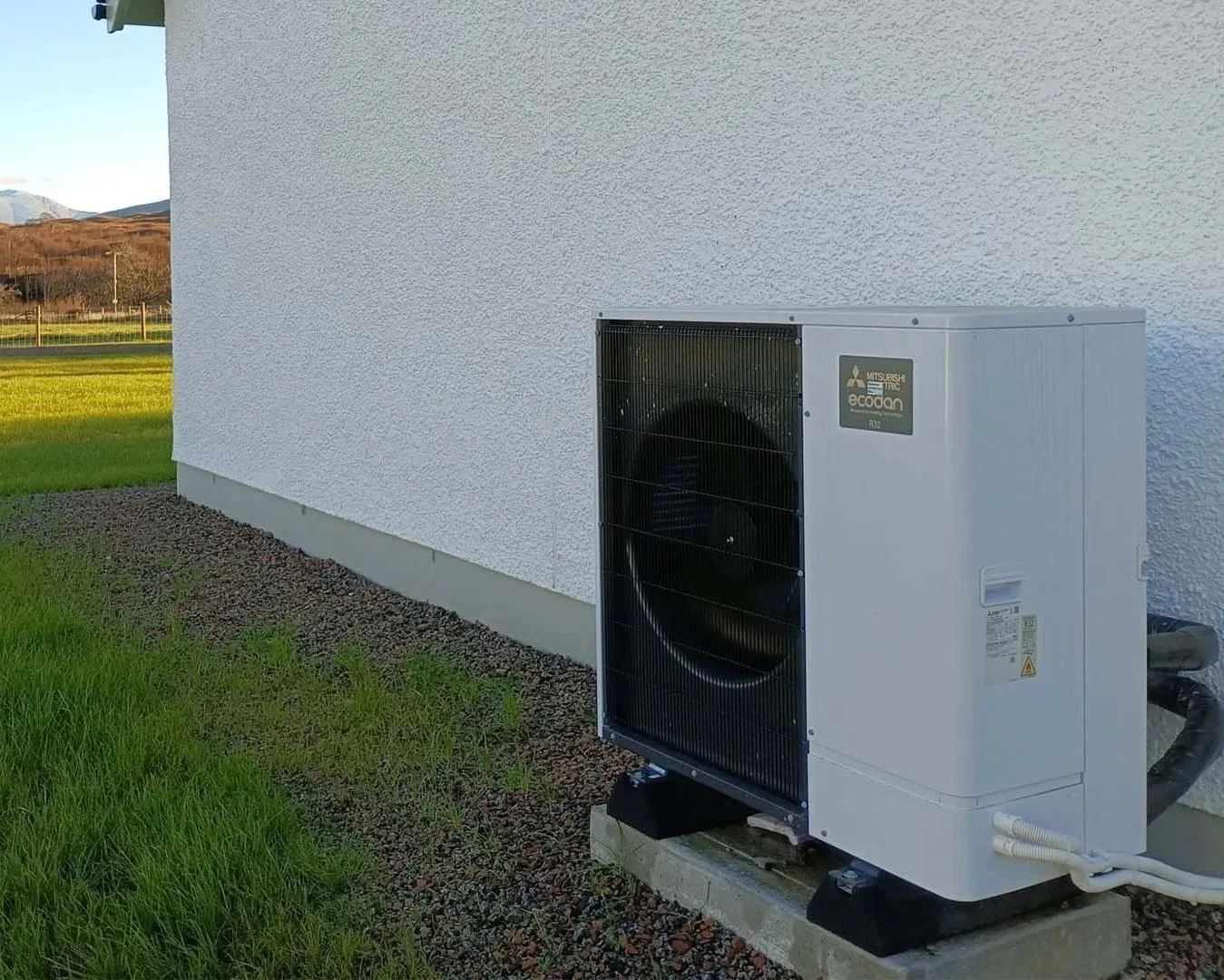
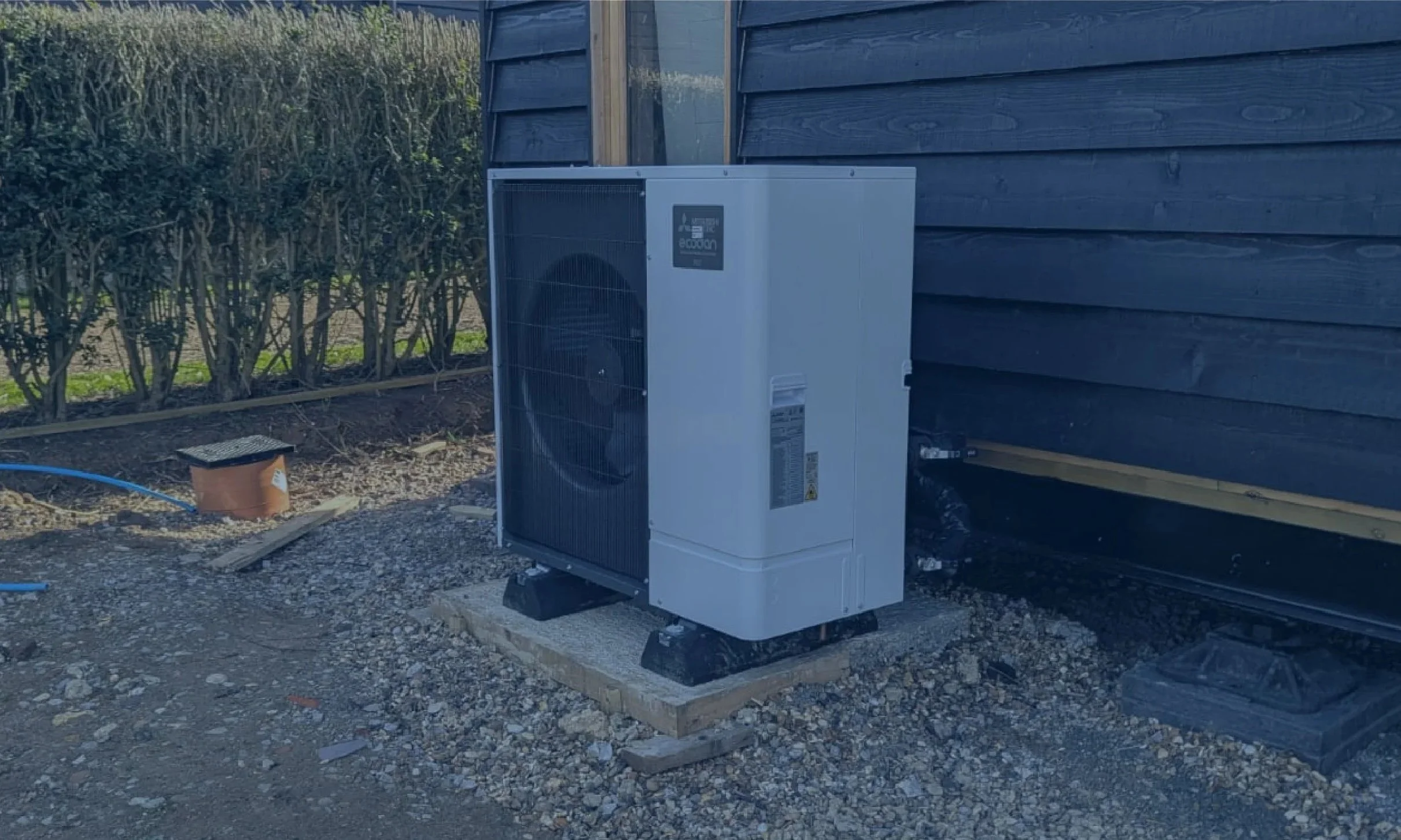
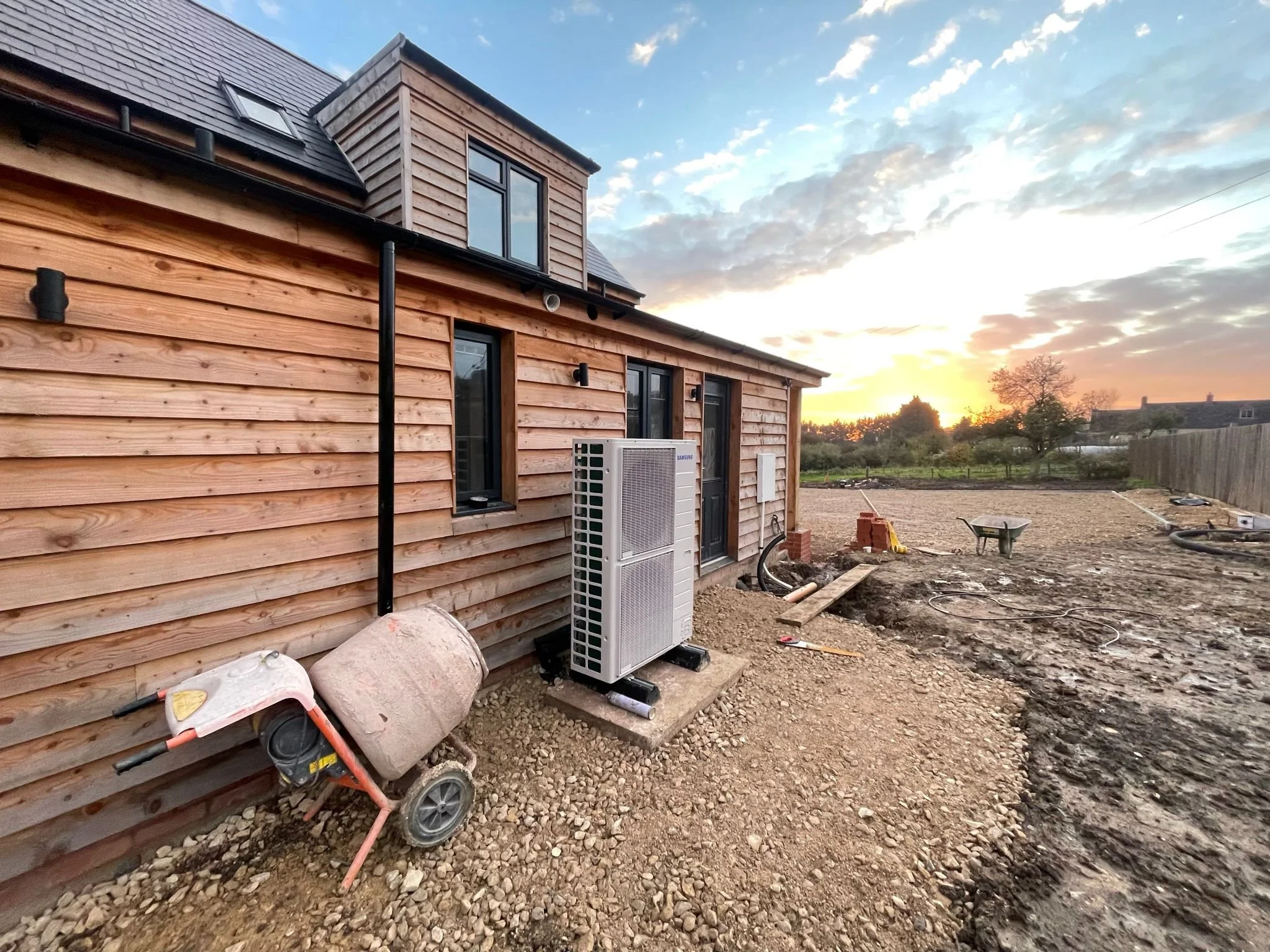
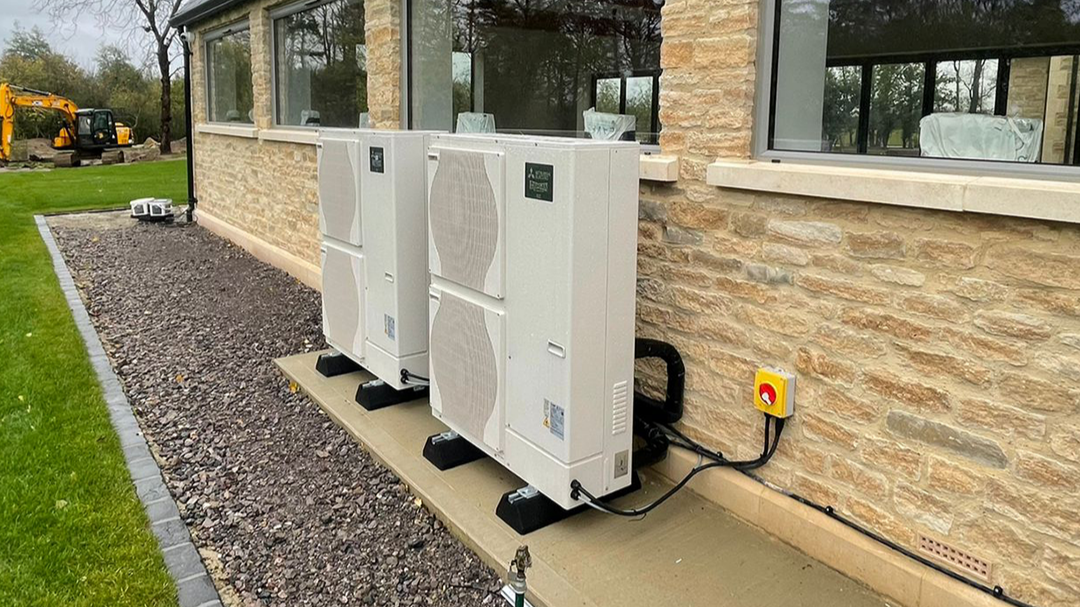
A modern gas boiler burns fossil fuel to create heat, releasing carbon dioxide directly into the atmosphere. Even the most efficient gas boilers produce significant emissions every year. By contrast, heat pumps do not burn fuel at all. They move heat from the air or ground into a building using electricity.
According to the UK Department for Energy Security and Net Zero, an air source heat pump can reduce carbon emissions by around 70 % compared with a gas boiler and is typically more than three times as efficient in a typical home. As the electricity grid continues to decarbonise, those savings increase year on year. This means a heat pump installed today becomes cleaner over its lifetime without any changes to the system itself.
How much carbon can a heat pump save?
The BBC article stresses the importance of reducing emissions at scale. Individual changes matter most when they are widely adopted.
On average, a gas boiler emits around 2 to 3 tonnes of carbon dioxide per household each year. Replacing it with a heat pump can cut that figure by more than half. Over a 15 to 20 year system lifespan, this equates to tens of tonnes of carbon saved per home.
When multiplied across millions of properties, the impact becomes substantial. This is why heat pumps are consistently highlighted by the Climate Change Committee as essential to meeting the UK’s net zero targets.
Environmental benefits beyond carbon
Carbon reduction is the main driver, but it is not the only environmental benefit.
Heat pumps also improve local air quality. Replacing a gas boiler with a heat pump can reduce nitrogen oxide (NOx) emissions by around 75 % and eliminates on-site pollutants such as NOx and particulate matter (European Heat Pump Association; Heat Pump Radar). Because heat pumps produce no on-site emissions, widespread adoption in built-up areas can significantly lower street-level air pollution.
They also support the transition away from volatile fossil fuel markets. As the BBC report notes, climate change and energy security are increasingly linked. Technologies that rely on renewable electricity reduce dependence on imported gas and help stabilise long-term energy planning.
Why heating choices matter now
The BBC article underlines that climate change is already shaping policy, infrastructure and everyday decisions. Heating is one of the clearest areas where proven alternatives exist today.
For installers and engineers, heat pumps are no longer a future technology. Installations are rising, government support remains in place through schemes such as the Boiler Upgrade Scheme, and consumer awareness is growing.
For homeowners, the question is shifting from whether change is needed to how quickly it can happen.
Heat pumps are a clear win for the environment: they cut carbon emissions, improve local air quality, and advance the UK’s long-term climate goals. With climate change shaping our lives, low-carbon heating will play an increasingly vital role in building a sustainable future.
MCS Umbrella Scheme
If you want to install MCS accredited heat pumps and help your customers access funding like the Boiler Upgrade Scheme, our Alto Assured MCS Umbrella Scheme is the perfect solution. We’ll handle all the MCS paperwork and compliance for you, and our expert team will also design, supply, and commission the system, so you can focus entirely on the installation.