
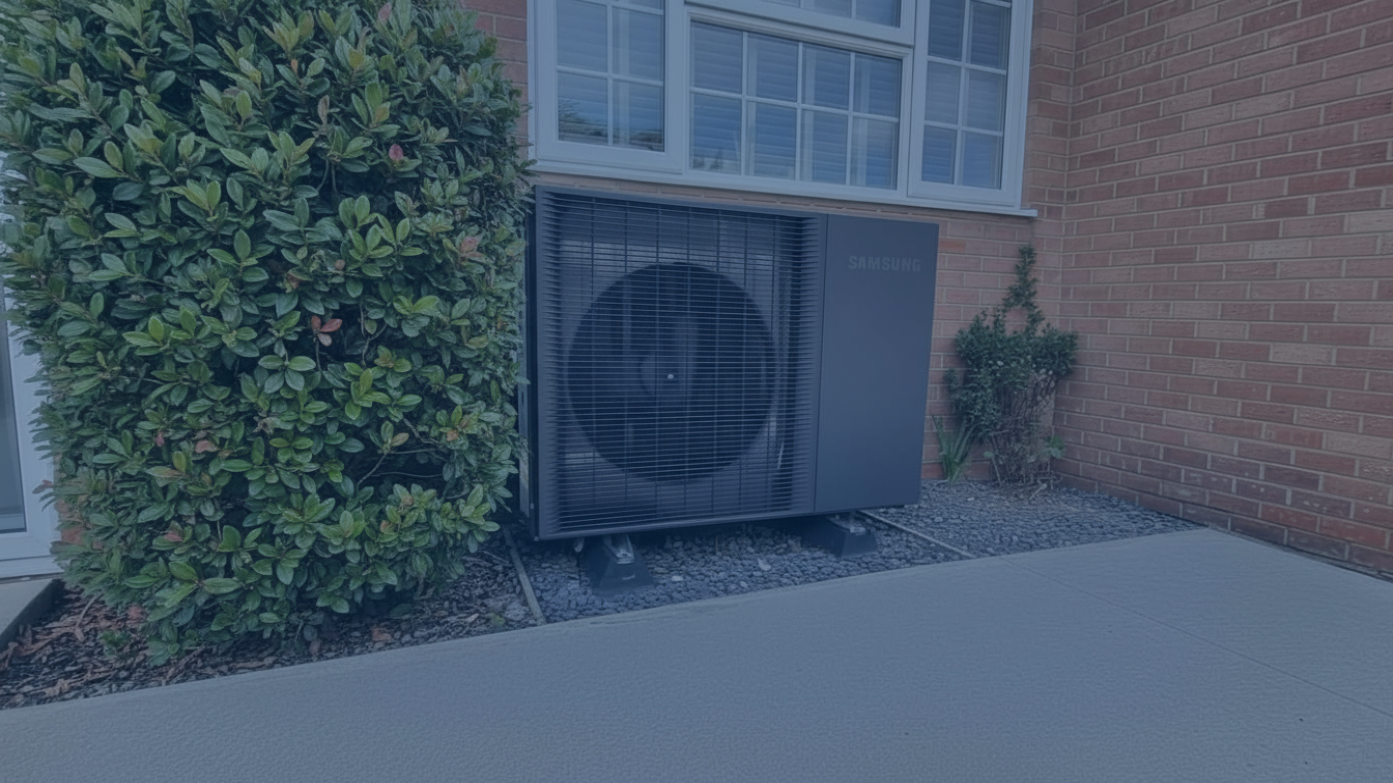
Can an Air Source Heat Pump Cool a House? We Don't Recommend It
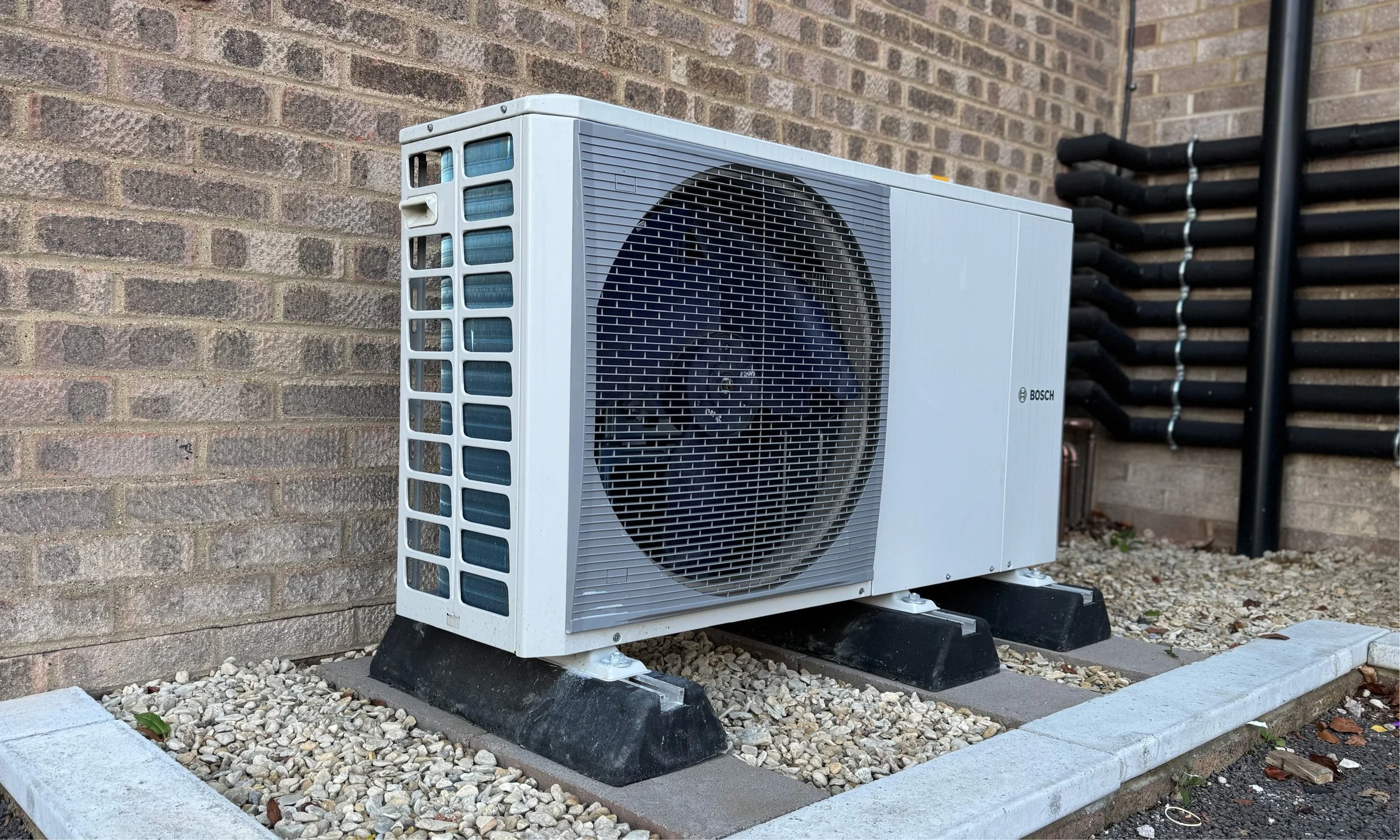
Can an air source heat pump cool a house? Yes, some air source heat pumps can provide cooling as well as heating. However, while it's technically possible, that doesn't necessarily make it a good idea for most homes.
At Alto Energy, we generally do not recommend using an air source heat pump for cooling. While the technology works, there are several practical challenges that homeowners often overlook, including condensation risks, additional installation requirements and compromises in system performance.
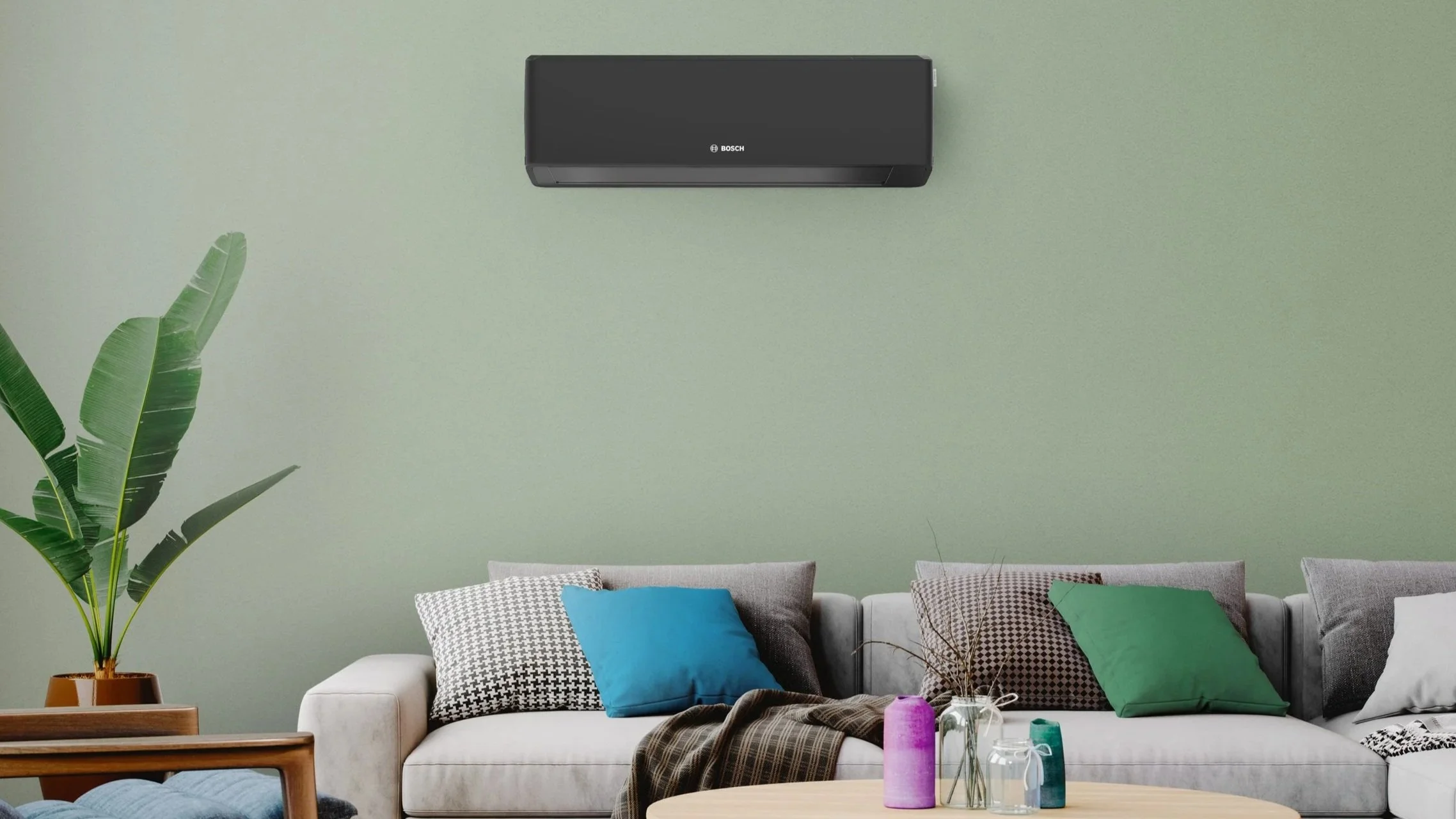
In most cases, a separate air-to-air heat pump provides a simpler and more effective cooling solution. Commonly known as air conditioning, these systems provide efficient cooling in summer and heating during cooler months. At Alto Energy, we can supply them either as a standalone system or alongside an air source heat pump.
Jump Ahead
Can a Heat Pump Cool a House?
Yes, certain air source heat pumps can reverse their operation and provide cooling during warmer weather.
A heat pump normally extracts heat from outside and transfers it into your home. In cooling mode, the process is reversed. Instead of delivering heat indoors, the system removes heat from the property and transfers it outside.
However, cooling a home is very different from heating one. While many homeowners assume they can simply run colder water through their existing radiators or underfloor heating system, this is usually not possible.
The reality is that cooling with a heat pump requires additional equipment, careful system design and extensive protection against condensation.
How Heat Pump Cooling Works
When operating in cooling mode, the heat pump produces chilled water rather than warm water.
This chilled water is then circulated through a cooling distribution system inside the property. As warm indoor air passes over the cooling equipment, heat is removed from the room, creating a cooler indoor environment.
The challenge is that traditional heating systems are not designed to handle chilled water.
Why Can't You Use Underfloor Heating for Cooling?
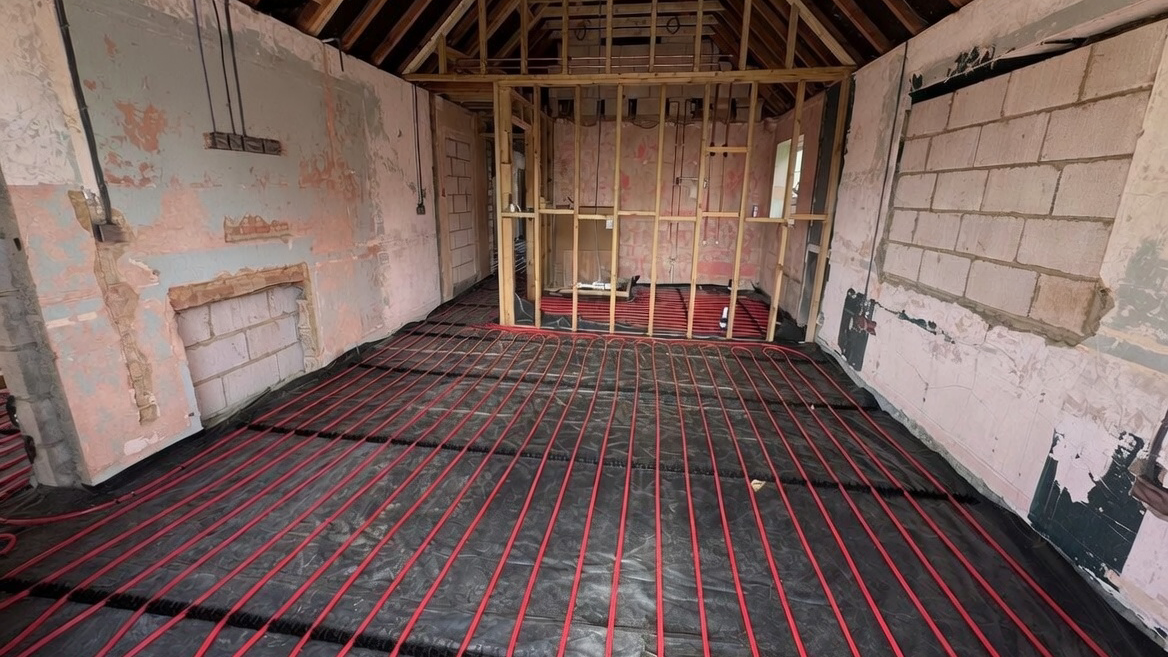
In theory, underfloor heating pipework can circulate chilled water.
In practice, the floor surface can become cold enough for moisture in the air to condense on it.
Think about what happens when you take a cold drink out of the fridge on a warm day. Water droplets quickly form on the outside of the glass. The same principle applies to floors and heating pipework.
Condensation can damage flooring, create slip hazards and potentially lead to mould issues if not properly controlled.
Can a heat pump cool a house with radiators?
Radiators present an even bigger challenge.
Because radiators have a relatively small surface area, they would need to operate at much lower temperatures to provide meaningful cooling. This significantly increases the risk of condensation forming on the radiator surface and surrounding pipework.
For this reason, standard radiators are generally not considered a practical solution for cooling.
Why Cooling with a Heat Pump Is More Complicated Than Most Homeowners Expect
Many discussions about heat pump cooling focus on the fact that the technology exists. Far fewer discuss the practical realities of installing and maintaining a cooling-capable system.
From our experience, this is where many homeowners discover that the project is more complex than they anticipated.
A Separate Distribution System Is Usually Required
To cool a property effectively, a separate cooling distribution system is typically needed.
This normally consists of fan coil units, which are designed to deliver cooled air into rooms while safely managing condensation.
Fan coil units work differently from radiators. They contain a heat exchanger and a fan that moves air across the cooled surface, allowing them to provide meaningful cooling output.
While this approach works, it means additional equipment throughout the home and additional installation costs.
Heating and Cooling Have Different Design Requirements
Even when the same fan coil units are used for both heating and cooling, compromises remain.
Heating works best when heat is introduced at a low level because warm air naturally rises.
Cooling works best when cool air is introduced at a high level because cool air naturally falls.
As a result, the ideal location for a heating emitter is often different from the ideal location for a cooling emitter.
A system attempting to perform both roles may not optimise either function as effectively as separate dedicated systems.
The Main Drawbacks of Using an Air Source Heat Pump for Cooling
Condensation Control Becomes Critical
The biggest technical challenge with heat pump cooling is managing condensation.
Every component carrying chilled water must be insulated to prevent moisture forming on cold surfaces.
This includes:
Pipework
Pumps
Valves
Plant room equipment
Distribution pipework
Ancillary components throughout the system
All of these items require closed-cell insulation specifically designed to prevent condensation.
Small Gaps Can Cause Big Problems
Homeowners are often surprised by how unforgiving cooling systems can be.
A tiny gap in insulation may not seem significant, but it can allow condensation to form continuously whenever the cooling system is operating.
Over time, this moisture can damage building materials, ceilings, floors and surrounding equipment.
Insulating every valve, joint, pump and fitting correctly is a detailed and labour-intensive process that is often underestimated during the planning stage.
Hot Water Production Can Become More Complicated
Another issue is the interaction between cooling and domestic hot water production.
A heat pump can only perform one primary task at a time. During summer, the system may need to switch between cooling the house and heating the hot water cylinder.
Managing this balance effectively can be challenging.
In some situations, domestic hot water may end up being heated by the immersion heater rather than the heat pump itself. This can reduce overall system efficiency and increase electricity consumption.
Is It Worth Using an Air Source Heat Pump for Cooling?
The answer depends on the property and the homeowner's expectations.
In certain circumstances, heat pump cooling can make sense. For example, a new-build property specifically designed around fan coil units and cooling functionality may be able to accommodate the additional requirements more effectively.
However, for many UK homes, cooling demand is relatively modest.
Most homeowners are not looking to cool every room throughout the summer. Instead, they typically want improved comfort in bedrooms, home offices or living spaces during warmer periods.
In these situations, installing a separate air-to-air heat pump often provides better value, simpler operation and greater flexibility. These systems are specifically designed to deliver effective cooling while also providing efficient heating during cooler periods of the year.
Our Recommendation
For most UK homes, we recommend using an air source heat pump for heating and hot water, alongside air-to-air heat pumps in the rooms that require cooling.
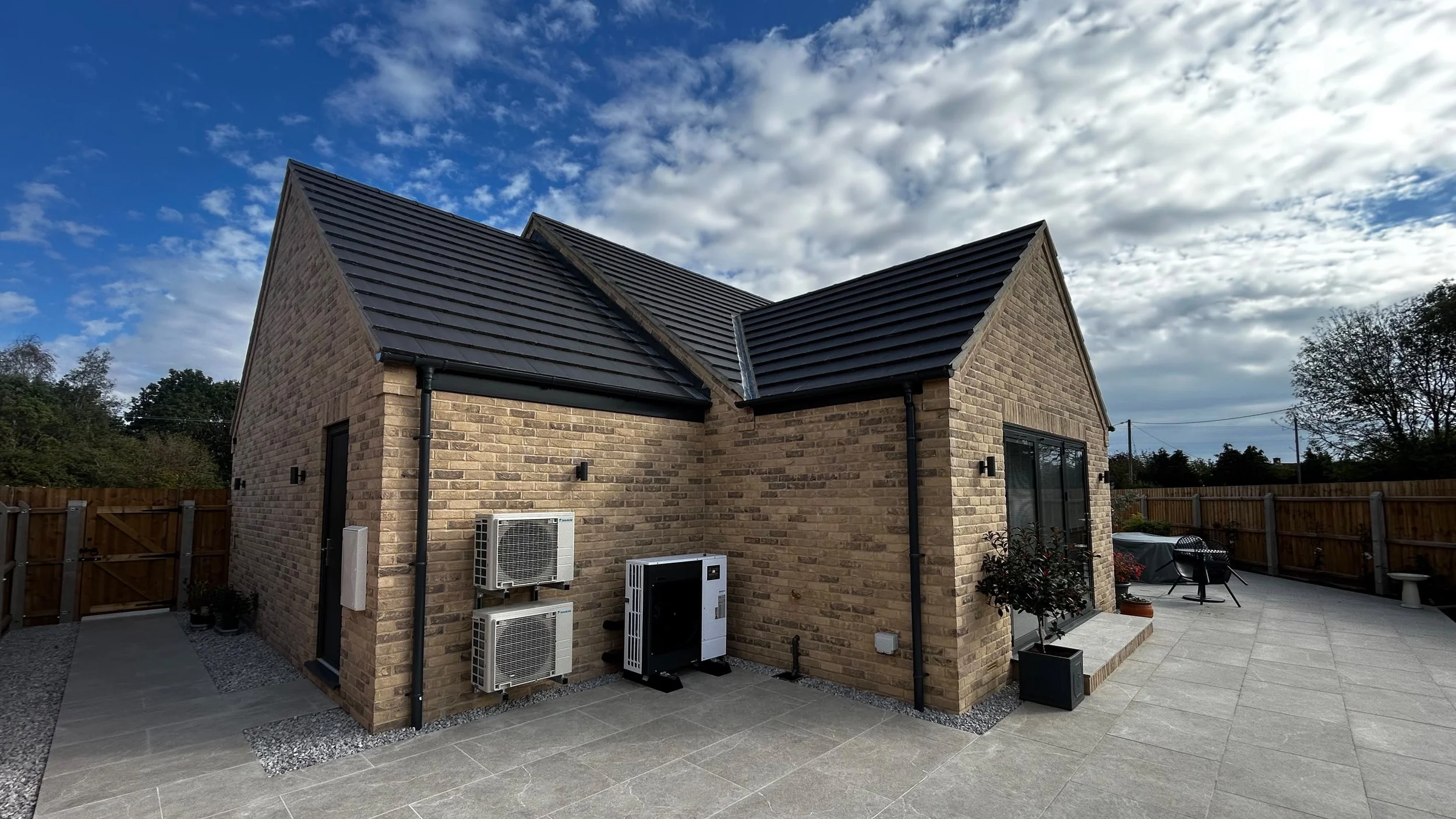
This approach allows each system to do the job it is best suited for. The air source heat pump provides efficient space heating and hot water, while the air-to-air heat pump delivers responsive cooling during summer and supplementary heating during milder weather.
This approach provides:
Better cooling performance
Simpler installation
Lower condensation risk
Greater room-by-room control
Additional heating capability from the air-to-air system
Fewer compromises between heating, cooling and hot water production
While cooling with an air source heat pump is technically possible, it is rarely the most practical solution for the average homeowner.
Conclusion
So, can an air source heat pump cool a house?
Yes, certain systems can. However, the more important question is whether it should.
In our experience, the challenges associated with fan coil installation, condensation control, chilled-water pipe insulation and hot water management mean that heat pump cooling is rarely the most straightforward option for homeowners.
There are situations where cooling through an air source heat pump makes sense, particularly in carefully designed properties where cooling has been considered from the outset. However, for most homes, a separate air-to-air heat pump delivers better comfort with fewer compromises.
That is why we generally recommend using an air source heat pump for efficient heating and hot water, alongside air-to-air heat pumps where cooling is genuinely needed. In our experience, this provides a simpler, more practical and more effective solution for most homeowners.