
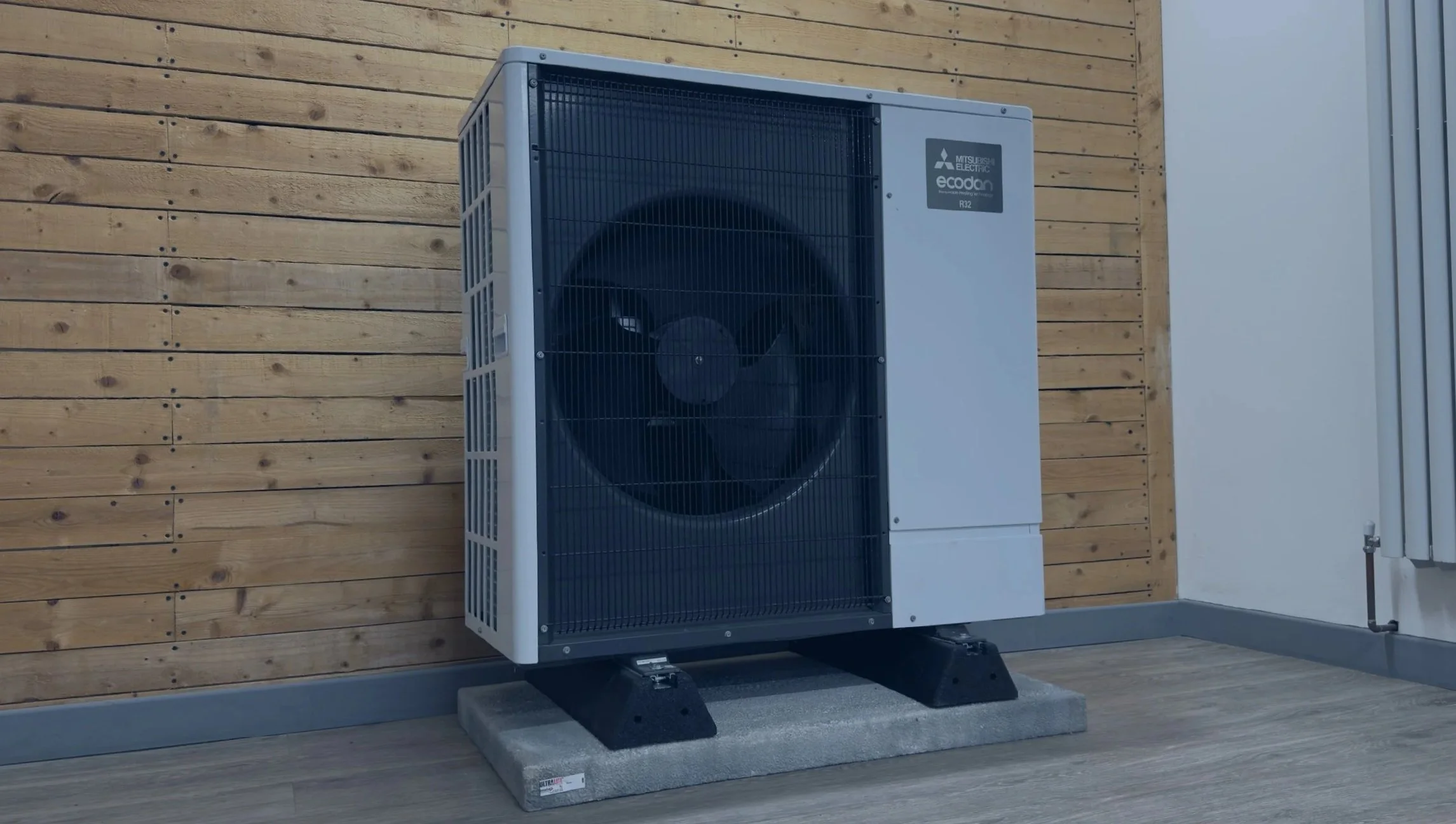
The British public supports net zero policies. But does the argument for Energy Security need more prominence?
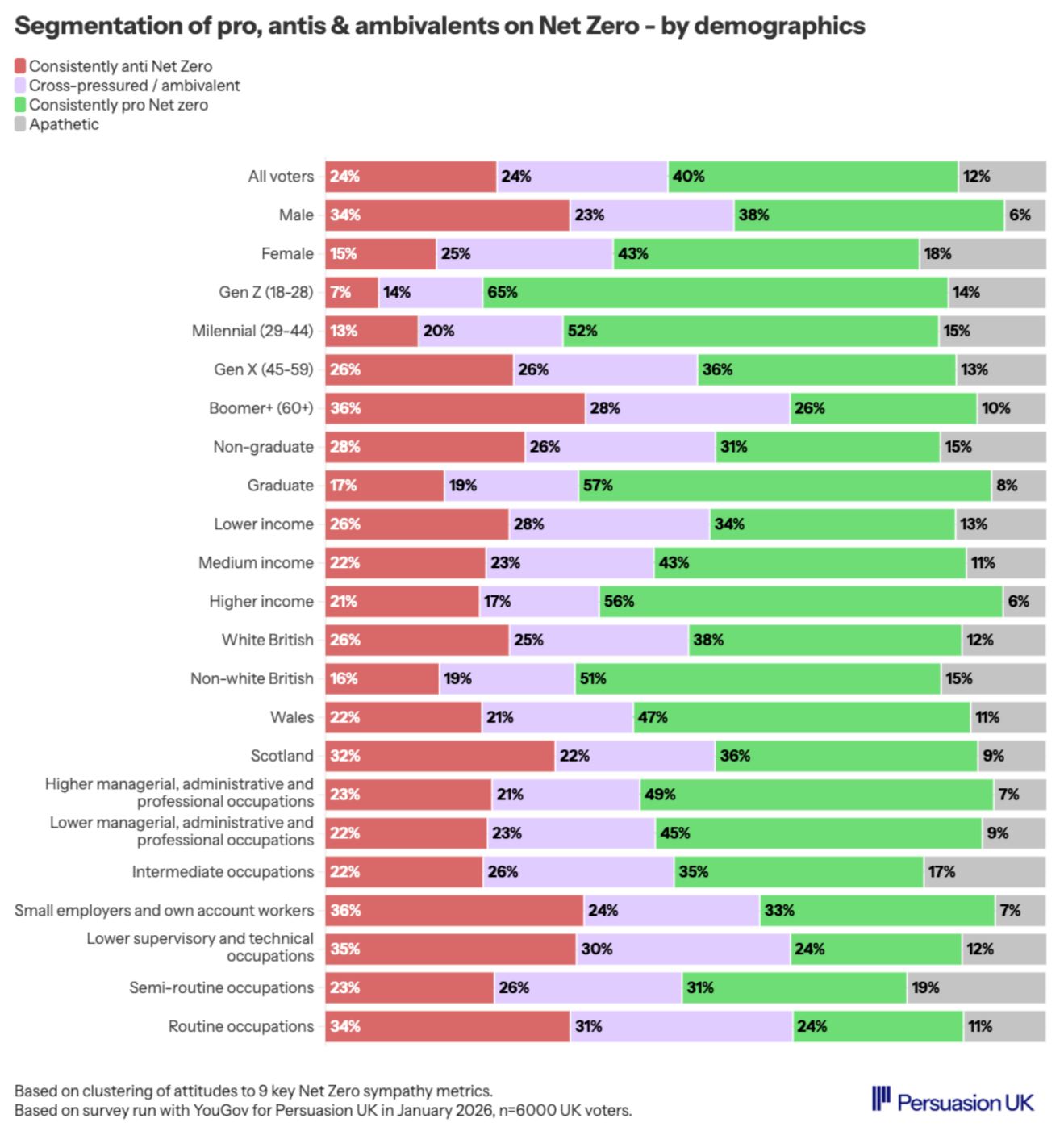
A recent study by the Institute for Public Policy Research looked at how net zero policies are covered in the media and how the public actually feels. It found that media coverage is more than twice as likely to be negative compared with public opinion, creating the impression that net zero policies are unpopular.
In reality, 40% of voters strongly support net zero, almost double the 24% who are strongly opposed.
UK Energy Policy
Some commentators suggest that net zero targets might clash with aims such as keeping energy affordable or the UK’s sovereignty. However, research from Oxford University’s Smith School shows that a UK powered entirely by renewable energy could save households up to £441 per year on energy bills.
In comparison, focusing on maximising North Sea oil and gas production is expected to deliver smaller, short-term savings of £16–£82 per household, assuming fiscal revenues are redirected to offset bills. This highlights that renewables offer greater long-term financial benefits.
EXPOSURE TO MARKET SHOCKS
In fact, what represents a significant threat to UK sovereignty is it’s huge exposure to geopolitical events. Relying on international oil and gas markets exposes households to price swings driven by global events outside the UK’s control (Council on Geostrategy).
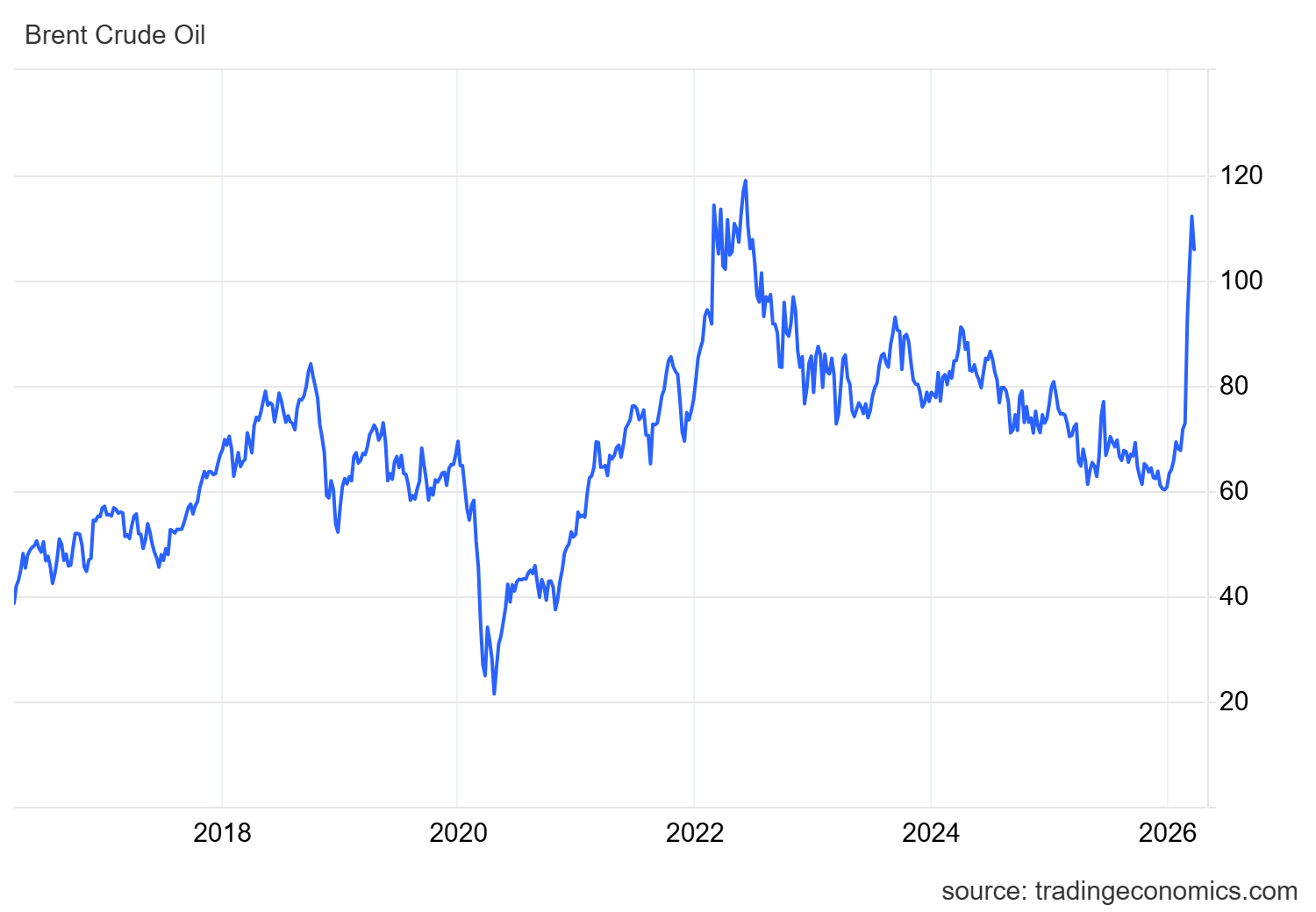
Conflicts such as the Russia–Ukraine war and the more recent tensions in Iran have significantly affected gas and oil prices. This illustrates the downsides of relying on imported fossil fuels. Those with gas or oil boilers have faced sharp rises in their heating bills, while heat pump owners (drawing on domestically generated electricity), have been comparatively insulated from these price shocks.
THE ROLE OF RENEWABLES
It’s important to acknowledge that the world still relies on oil and gas. However, when it comes to the energy we use in homes, the UK doesn’t have to be dependent on it. As an island nation, we are blessed with a very high coast-line to land area ratio, meaning we are well placed to harness the virtually infinite wind and coastal energy resources we’re surrounded by. And this tallies up with the Oxford University study, which states “the extent of electrification within a household would determine the level of savings gained from renewables”.
Home Energy Security
So what can UK households do to reduce its exposure to price shocks?
According to the Oxford University study:
“Heat pumps are particularly important for reducing bills because they are much more efficient than gas boilers - they produce around 3 units of heat for every unit of electricity they use, whereas gas boilers produce just under 1 unit of heat per unit of gas".

However, to maximise the savings offered by a heat pump, households need access to cheap electricity. Solar PV can help, but its generation peaks in the summer, while heat demand is highest in winter – meaning the overlap isn’t perfect.
This is where battery energy storage systems come in. By storing electricity when it’s cheapest, a well-designed home battery allows your heat pump to operate cost-effectively around the clock. We believe combining heat pumps with battery storage can therefore deliver significant reductions in energy bills while protecting against price volatility.
On top of that, as more and more renewable electricity generation comes online, there are better, more flexible and affordable electricity tariffs available to customers. Just recently, Octopus updated a tariff offering electricity at just 5.5p per unit overnight (cheaper than gas). At this point, heat produced from a heat pump is roughly four times cheaper than that from a gas boiler.
Considering a heat pump for your home
If you want to avoid rising gas and oil costs, a heat pump and home battery can help. At Alto Energy, we install heat pumps for all kinds of homes across the UK. We can explain the options available to you, and can help you decide if a heat pump is right for you. Get in touch today to find out more.