Heat Pumps for New Builds: What Developers and Self Builders Need to Know
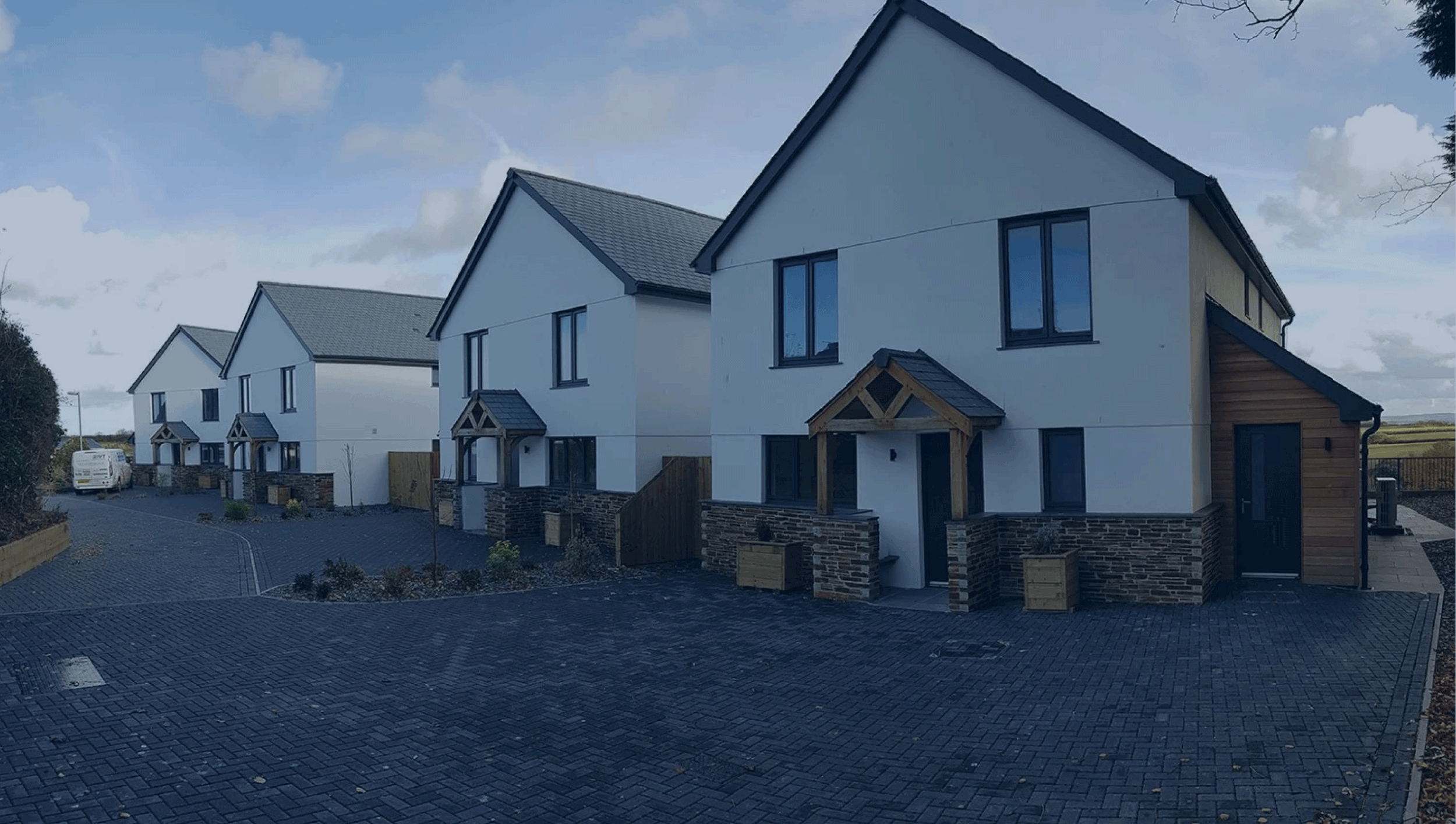
If you're building a new home, you'll need to decide how you're going to heat it. Whether you're a property developer delivering a multi-plot housing development or a self builder constructing your own home, heat pumps have become a popular choice for many new-build projects. They don't just help meet modern Building Regulations, they're also an excellent fit for the way today's homes are designed, delivering efficient, low-carbon heating when specified correctly from the outset.
Jump Ahead
Why are heat pumps ideal for new builds?
Heat pumps work best in properties that require lower flow temperatures and consistent heating. That's exactly how modern homes are designed.
Today's new-build homes are constructed with high levels of insulation, improved airtightness and energy-efficient materials. This means they lose less heat than older properties and require less energy to stay comfortable throughout the year.
Because of this, heat pumps can operate efficiently without producing the high water temperatures that traditional gas boilers rely on. The result is a heating system that's comfortable, efficient and well suited to modern homes.
For developers and self builders, heat pumps also provide a practical route to meeting current Building Regulations and the Future Homes Standard.
Do new builds need a heat pump?
Not every new home is legally required to install a heat pump, but they're becoming the preferred solution for many new-build projects.
Changes to Part L of the Building Regulations have increased energy efficiency requirements, and the Future Homes Standard comes into force from 24 March 2027 for standard housing developments (24 September 2027 for higher-risk buildings). Sites already underway can continue under the current rules provided a building regulations application is submitted before that date and construction commences by 24 March 2028.
Under the new rules, new build sites must:
- Require low-carbon heating systems, such as heat pumps
- Meet significantly higher energy efficiency standards
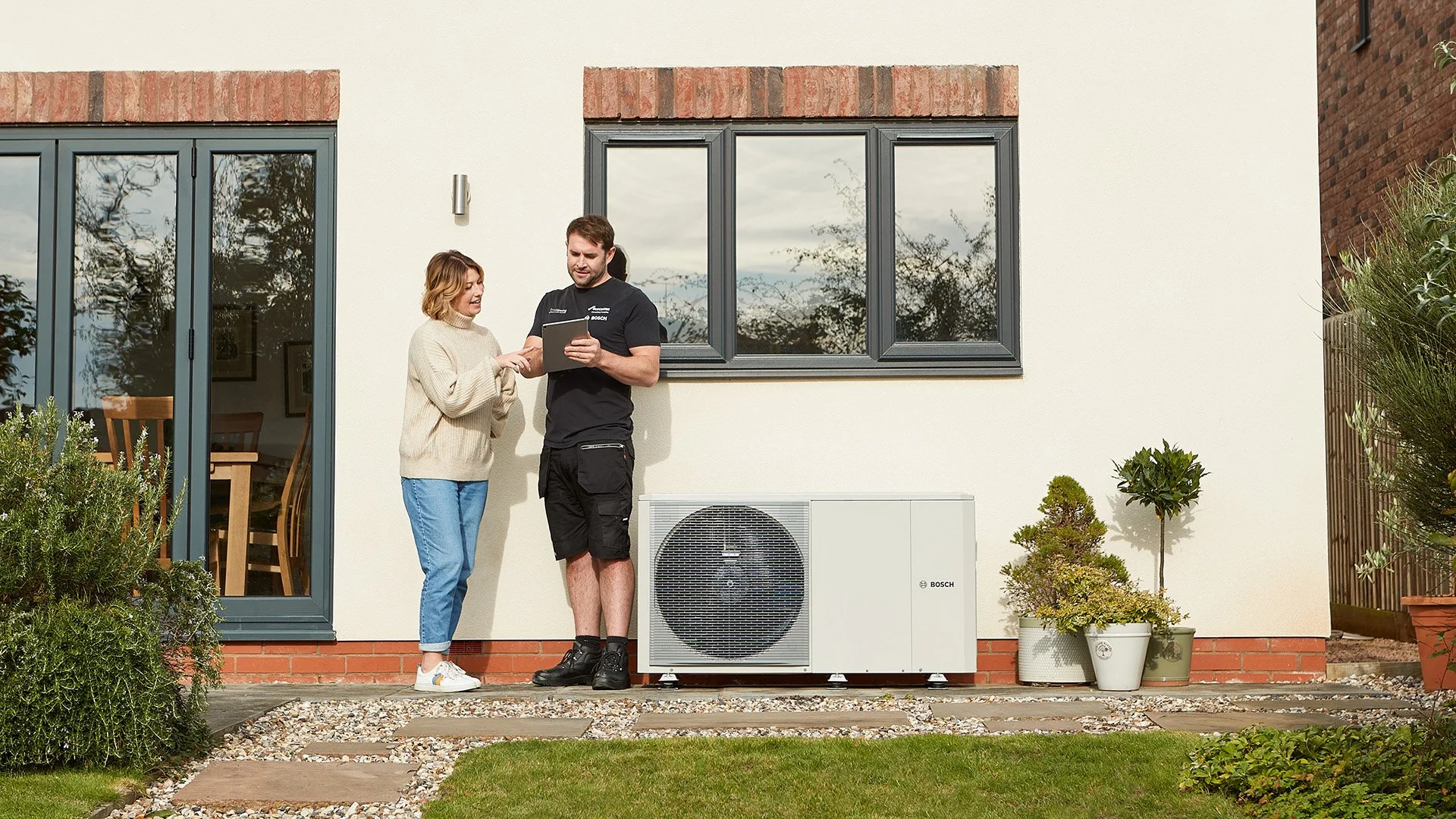
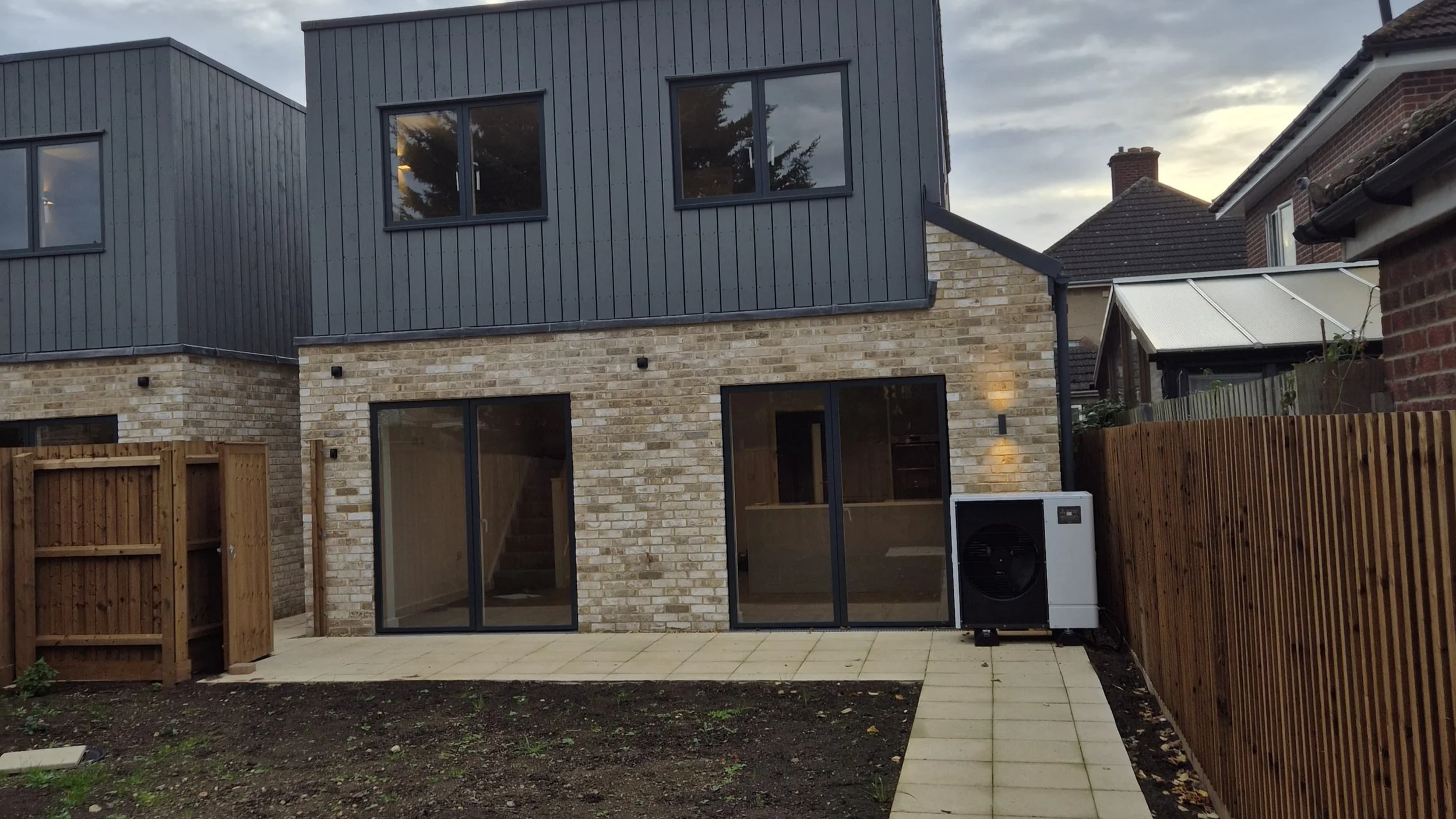
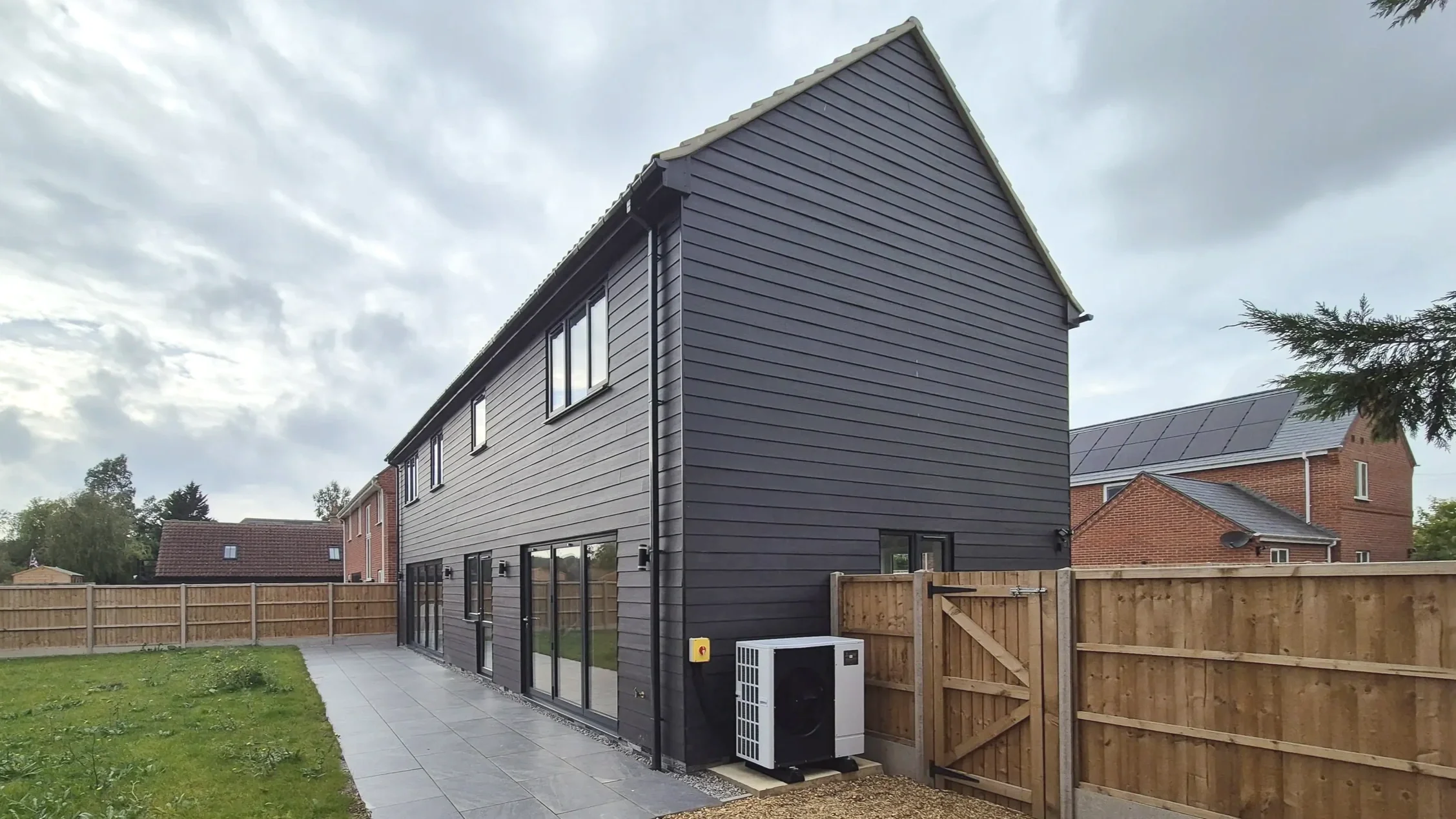
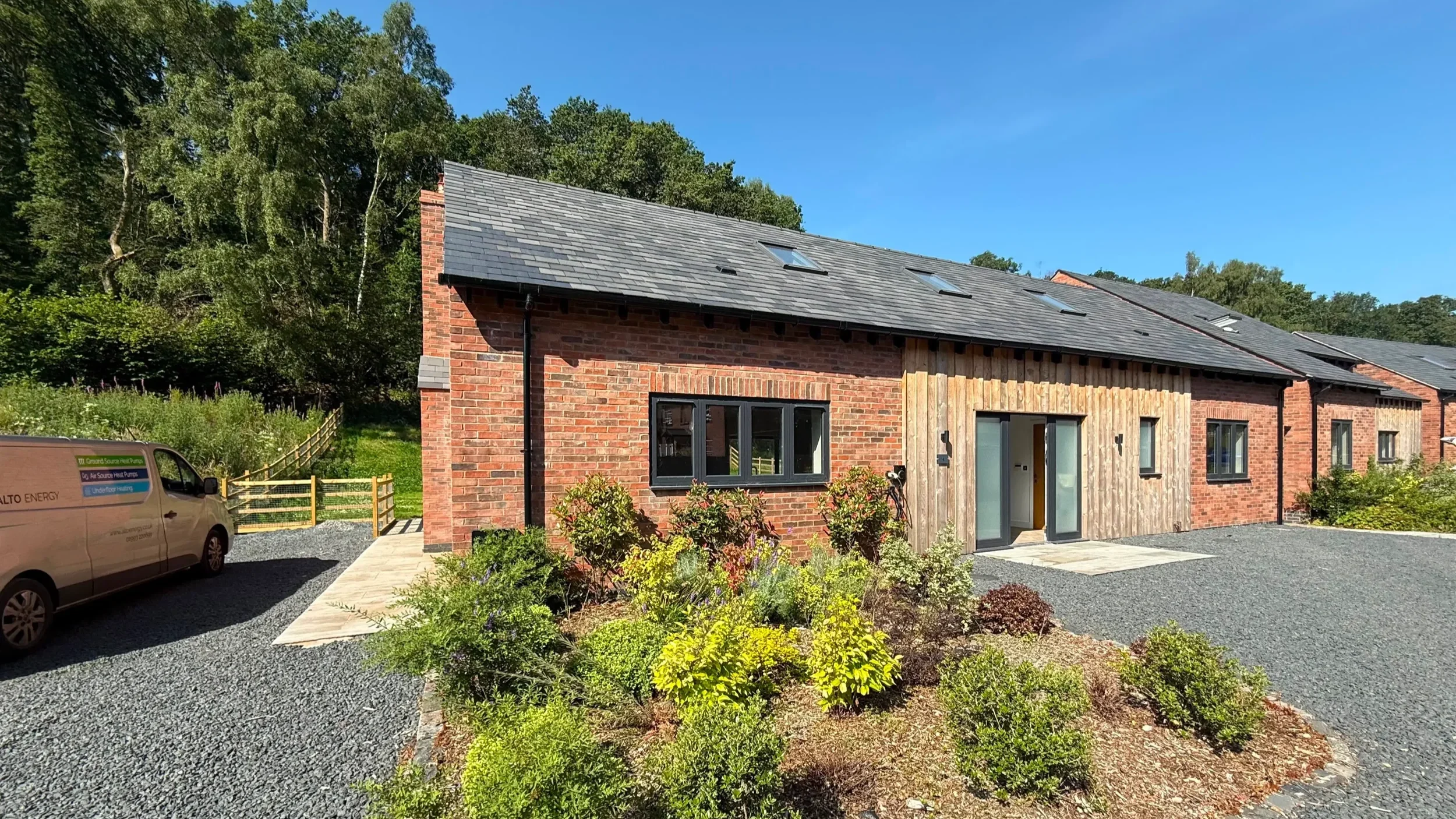
As a result, many developers, architects and self builders now specify air source heat pumps because they provide an efficient, low-carbon heating solution that aligns with the direction of UK housing.
Choosing the right heat pump for your project
Every project is different, which means there isn't a single heat pump that's suitable for every property.
The right system depends on the size of the property, its heat loss, hot water demand and the available outdoor space. For most projects, an air source heat pump is the preferred option because they’re straightforward to install and perform especially well in new homes.
Ground source heat pumps can also be a great choice where sufficient land is available.
Choosing the right heat pump matters, but it's only part of the process. The performance of the system depends just as much on good design, from accurate heat loss calculations through to correctly sized heating emitters and controls.
Designing a heat pump system for a new build
Unlike a gas boiler, which is designed to provide short bursts of high-temperature heat, a heat pump works most efficiently when it runs steadily over longer periods at lower flow temperatures. That means the entire heating system needs to be designed around the way a heat pump operates.
Every successful installation starts with understanding how much heat the property actually requires. Room-by-room heat loss calculations determine the size of the heat pump, while heating emitters, hot water demand and system controls all need to be selected to work together. When these elements are designed as a complete system, the result is efficient, reliable heating that performs exactly as intended.
A professionally designed system will consider:
- Heat loss calculations
- Heat pump sizing
- Underfloor heating or radiator sizing
- Hot water cylinder sizing
- Pipework design
- Controls and zoning
- Commissioning requirements
Every part of the system relies on the others being right. Size the heat pump too large and it cycles on and off instead of running efficiently. Size the emitters too small and rooms stay cold in winter. These aren't easy fixes after the system is installed, which is why the design stage is so important.
How much does a heat pump cost for a new build?
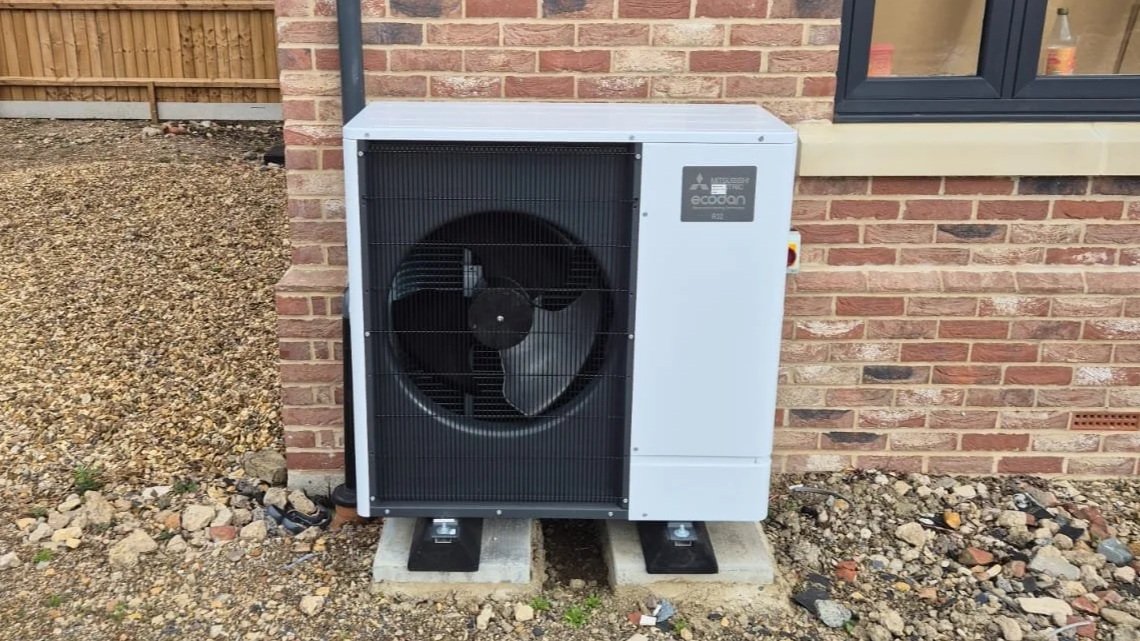
Costs vary significantly depending on property size, heat loss, system design and what is included in the installation. In many new-build homes, particularly those with lower heating demands, an air source heat pump is a cost-effective solution. Ground source heat pump systems typically involve higher costs due to the additional groundworks required for laying loops or drilling boreholes. For an accurate estimate, get in touch with our team to discuss your plans and receive a quotation based on your project's requirements.
It's worth keeping in mind that every new build needs a heating system regardless of fuel type, so much of this cost, including pipework, emitters, hot water cylinder and controls, would be part of the build whether it's a heat pump or a gas system.
Important: Self-build projects can qualify for the £7,500 Boiler Upgrade Scheme grant, provided the owner built the property themselves or paid a builder to do so, and the property has never been owned by a business. Developer-led new build properties aren't eligible, since Building Regulations already require low-carbon heating on these sites.
Why choose Alto Energy for your heat pump project
We work with developers and self builders to design complete, MCS-compliant heat pump systems tailored to each property. Every project starts with detailed heat loss calculations, allowing us to accurately size the heat pump, specify the heating emitters and design a system that operates efficiently at low flow temperatures.
On top of that, here's what we bring to every project:
- Complete package - Rather than supplying individual components, we provide everything needed for the installation in one package, making installation simpler and reducing delays.
- On-site commissioning - One of our own experienced engineers commissions every system, identifying any issues before handover and supporting the installing contractor where required.
- Installer support - If your preferred installer isn't experienced with heat pumps, we can put them through our heat pump training course. Alternatively, we can recommend an installer from our Alto Assured network, already trained and operating under our MCS umbrella scheme.
- Compliance and handover - Every project is supplied with the documentation needed for Building Regulations and MCS compliance, along with clear handover information for the homeowner. Because MCS certification can't be obtained retrospectively, it's important to get this right from the outset. Read our blog to find out why retrospective MCS certification isn't possible.
- Ongoing support - We provide continued technical support, servicing and maintenance, helping every system perform as designed long after it's been commissioned.
Ready to talk about your development? Visit our developer page to see how we support housebuilders from planning to install.