Heat pumps and home insulation could lower household energy bills more than new oilfields
Investing in heat pumps and better home insulation could lower household energy bills more than developing new oilfields, according to research from thinktank E3G.
The research, reported by The Guardian, suggests the government's £15bn Warm Homes Plan could cut household energy bills by £1bn a year, support around 50,000 jobs and boost the UK economy by £1.6bn annually.
By comparison, the proposed Rosebank oilfield in the North Sea is estimated to create around 1,100 direct and indirect jobs.
So what could this mean for the heating industry?
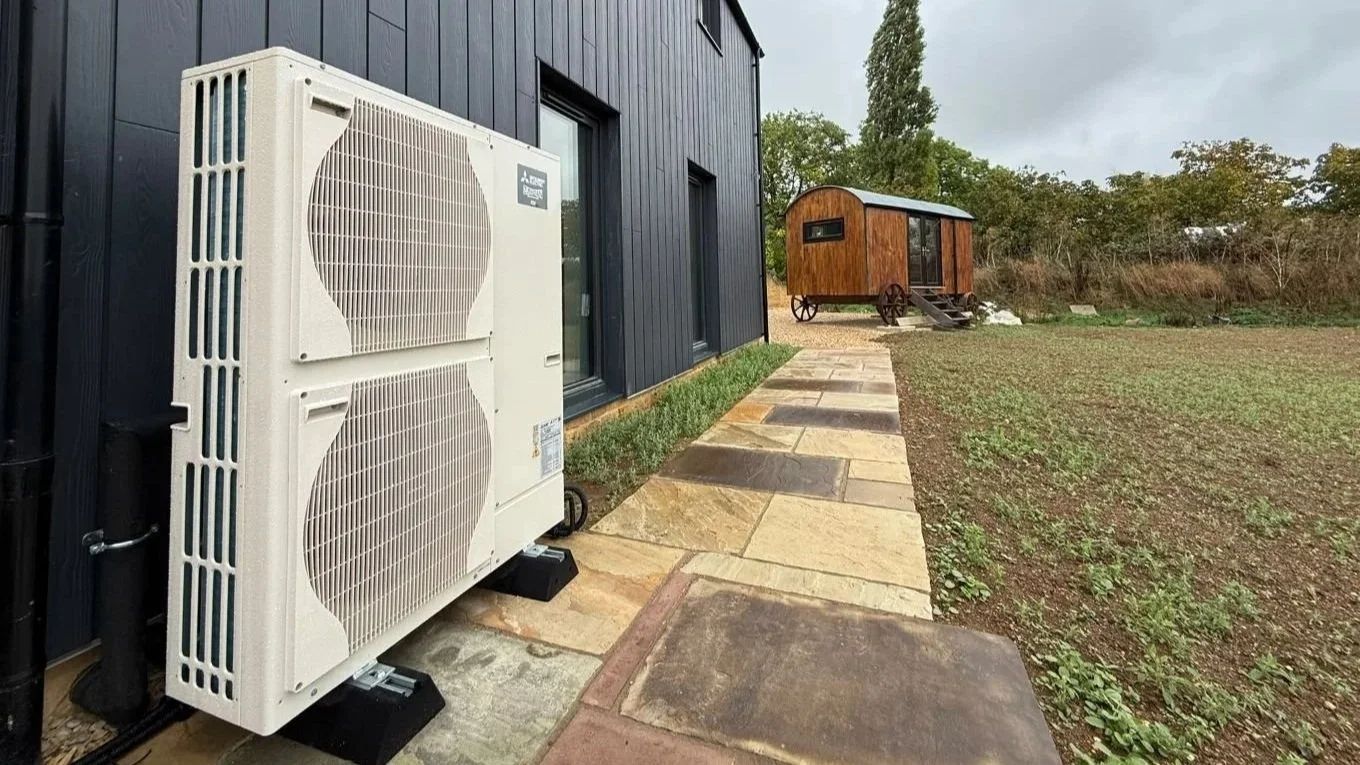
Heat pumps and insulation can help bring down energy bills
The idea is simple. Homes that lose less heat need less energy to stay warm.
Improving insulation can reduce heat loss, while a properly designed heat pump can provide heating efficiently without relying on gas or oil.
Together, these improvements could help households reduce the energy needed to heat their homes and potentially lower their bills.
E3G's research suggests the benefits could add up across millions of homes. The government's Warm Homes Plan aims to improve the energy efficiency of up to 5 million homes, helping more households make their properties cheaper to heat.
What could this mean for heating engineers?
E3G estimates that delivering the Warm Homes Plan in full could support around 50,000 jobs across the UK, including work in insulation and low-carbon heating.
For heating engineers, this could create opportunities to expand their services and take on more heat pump installations as homeowners look at alternatives to traditional heating systems.
However, installing heat pumps involves more than simply fitting the equipment. There are extra steps for installers to navigate, from carrying out heat-loss calculations and designing the right system to commissioning the installation and meeting MCS certification requirements. These additional technical and administrative hurdles can make getting started with heat pumps more challenging, particularly for one man band plumbers who are used to installing boilers.
For installers who aren't MCS certified themselves, joining an MCS Umbrella Scheme offers a way to carry out installations without having to gain their own MCS certification. With support for system design, commissioning and paperwork, installers can take on heat pump projects without having to manage every part of the process themselves.
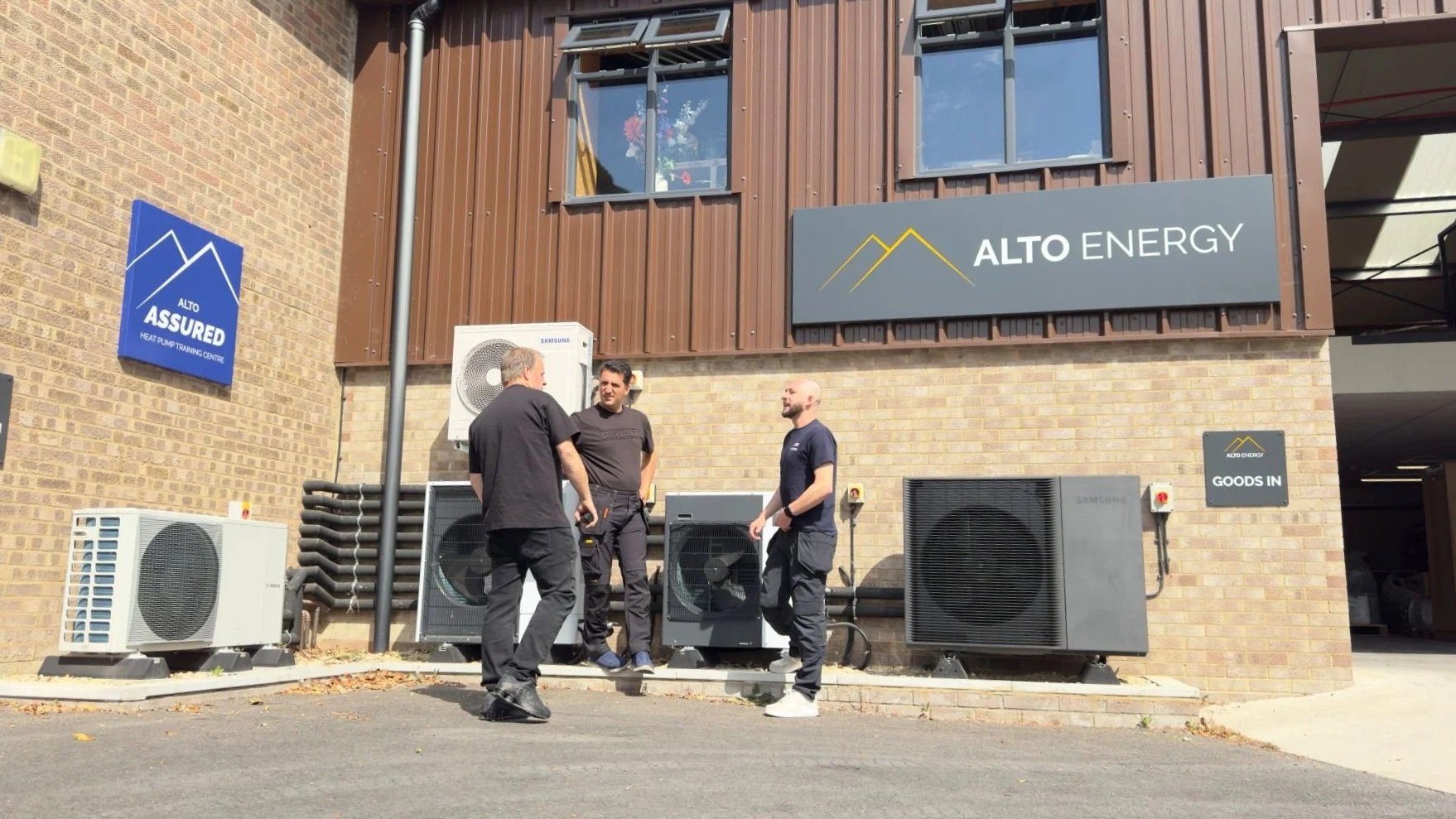
How Alto supports heating engineers
At Alto Energy, we help heating engineers install heat pumps by providing the design, equipment supply and commissioning support they need, alongside MCS certification through our MCS Umbrella Scheme. This allows installers to focus on fitting the system while we support them through the rest of the process.
On top of that, we also deduct the Boiler Upgrade Scheme (BUS) grant from the cost upfront, so none of the cash-flow burden falls on you.
For installers looking to offer this technology, having the right support behind them can make all the difference.