

Heat pumps in old houses: What homeowners need to know
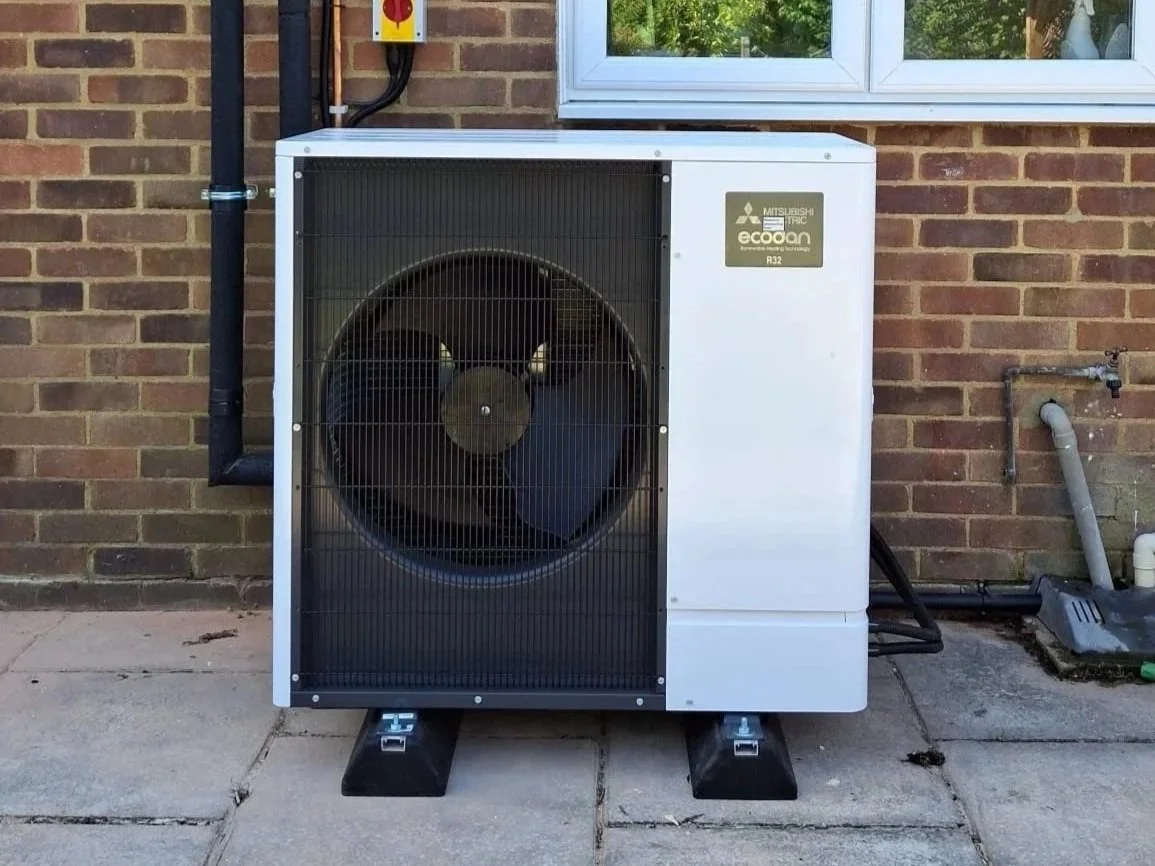
Heat pumps in old houses are often seen as a challenge. Solid walls, limited insulation and higher heat loss can raise understandable questions. At the same time, we regularly hear from homeowners in older properties who report warm rooms, lower bills and excellent performance.
So which is it?
The reality is simple. Heat pumps in old houses can work well, but only when the system is designed around the property.
Jump Ahead
Why old houses create uncertainty
Many older homes, particularly those built before the 1920s, have solid brick or stone walls, higher levels of air leakage, larger exposed surfaces, and a mix of insulation standards.
According to the Energy Saving Trust, around a third of heat in an uninsulated home can be lost through the walls alone. If heat escapes quickly, the heating system must replace it continuously. That is where the conversation around suitability begins.
However, age alone does not determine performance. Heat loss does. The key factor is how the heating system delivers that heat.
How heat pumps work in older homes
Unlike a gas boiler, which heats water to 70–80°C, a heat pump works most efficiently at lower temperatures. In new or well-insulated homes, flow temperatures of 35–45°C can be achieved, and in most retrofit projects, flow temperatures of 45–55°C are often sufficient. However, in older or poorly insulated homes, flow temperatures of 50–55°C may be required, especially if radiator upgrades are limited.
The key is matching the system to the home. Radiators or underfloor heating must be sized correctly, and the heat loss of the property needs to be understood. If a home loses heat quickly and the emitters are too small, the system has to work harder, which reduces efficiency.
This is why heat loss matters far more than a home’s age.
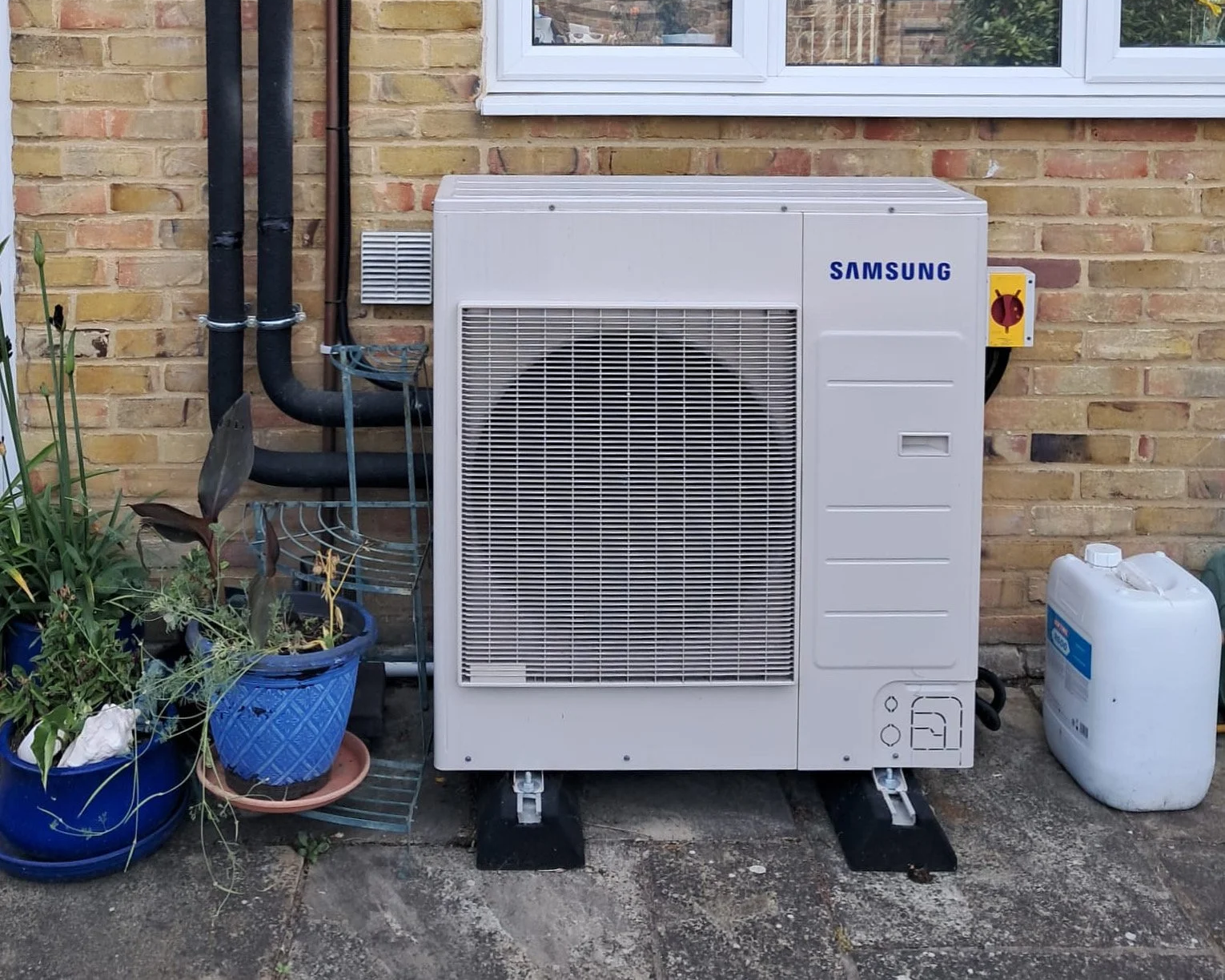
Two houses built in the same decade can behave very differently: a mid-terrace solid wall home may only lose heat through the front and back, while a detached stone property loses heat on all sides. Upgrades like loft insulation and better windows can further reduce the heat demand.
The question isn’t whether a house is old, it’s how much heat it loses in winter, and whether the heat pump system, including radiator sizing, has been designed to meet that need. Lower flow temperatures are more efficient, with 35–45°C being ideal. However, in older or poorly insulated homes, heat pumps can still deliver strong performance at 50–55°C, provided the system is correctly sized and radiators are adequate to keep flow temperatures as low as practical.
In some cases, the required radiator sizes may be too large to be practical, but we can help assess what’s feasible for the property.
Why we sometimes recommend solid wall insulation
Not every solid wall home needs full wall insulation to enjoy a heat pump. However, insulation can sometimes be part of the solution.
A heat pump works best when the property, the radiators or underfloor heating, and the calculated heat loss all work together. If calculations show that heat loss is too high to achieve comfortable temperatures efficiently, some insulation may be recommended alongside the heat pump.
When the system is commissioned, it must meet MCS standards and be sized to match your home’s calculated heat loss, ensuring it delivers the comfort and efficiency you expect.
This isn’t about saying a solid wall home can’t have a heat pump. It’s about ensuring the system delivers the comfort and efficiency you expect. In many cases, small upgrades like loft insulation, modern windows, or radiator adjustments are enough.
As you can see from the case study below, homes don’t always need wall insulation to perform well.
Case study: solid wall home with no insulation
Aaron G's home is a solid wall property with no insulation, but that hasn’t stopped his heat pump from performing exceptionally. Before working with Alto Energy, his house relied on night storage heaters, resulting in high running costs and the house feeling cold.
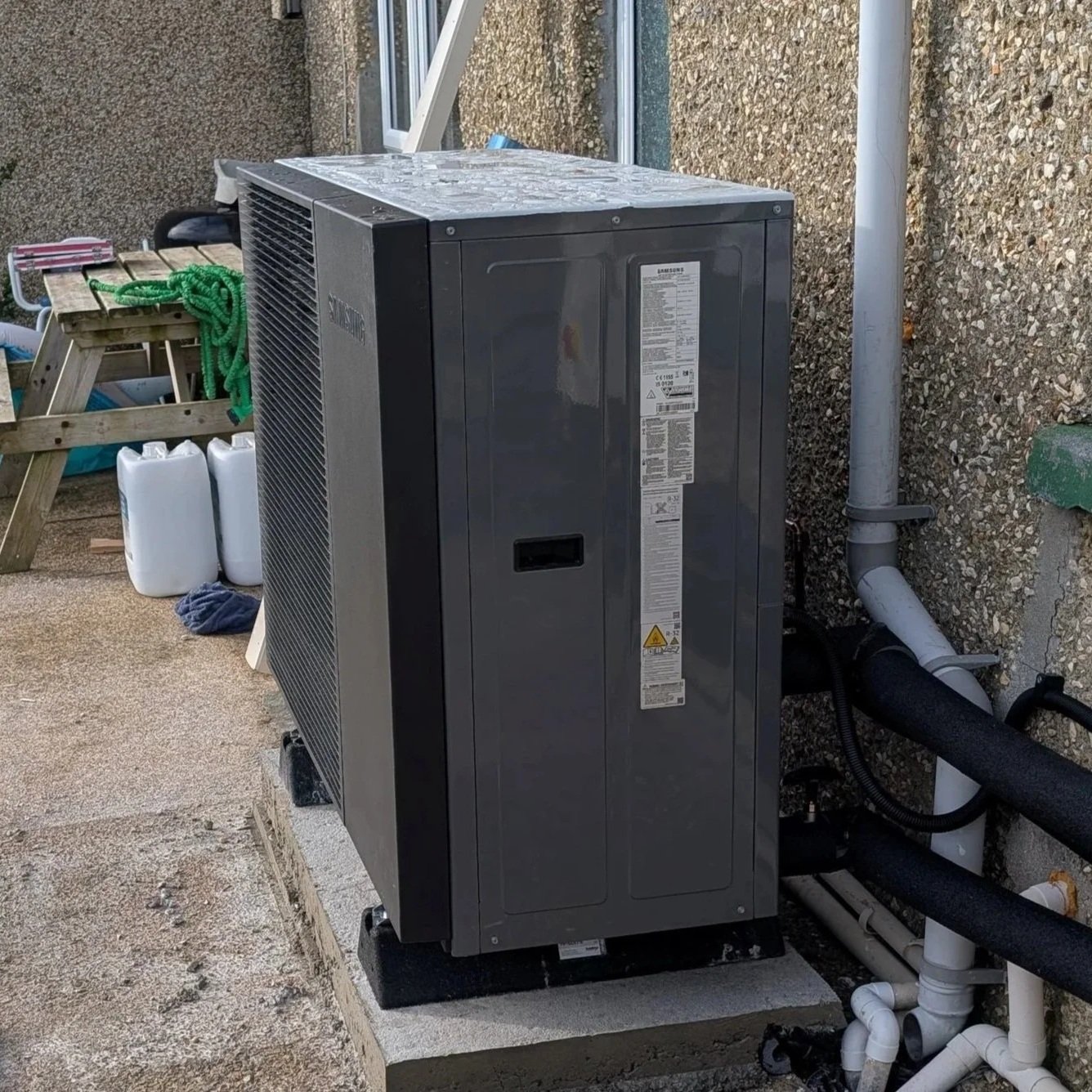
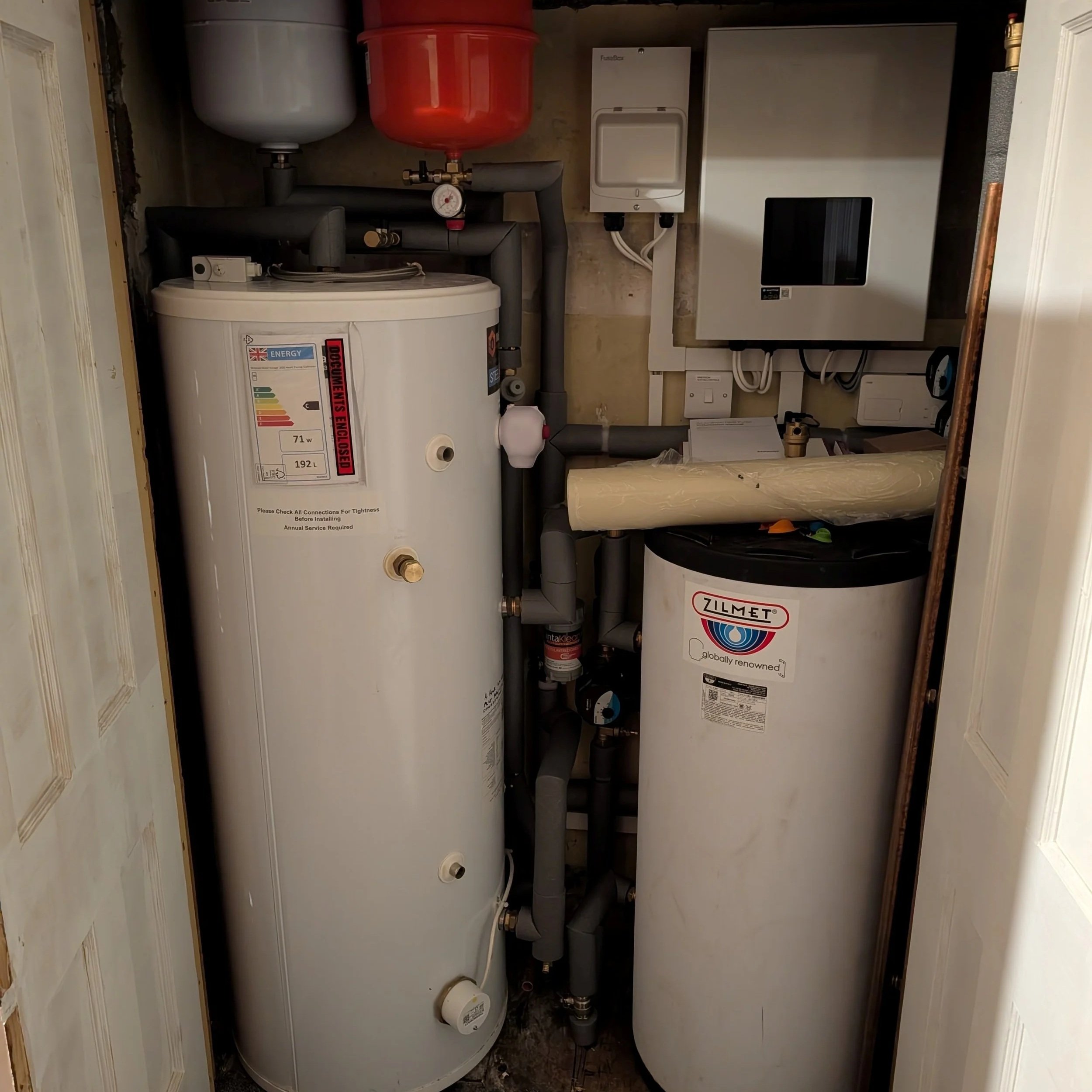
Looking for lower running costs and a warmer home, Aaron turned to Alto Energy because of our experience and glowing customer reviews. Since installing the heat pump, his home has transformed:
“We have solid walls with no insulation. So it truly shows that heat pumps do work in older homes. The house is warm, hot water is beautiful pressure, and costs are low!”
Aaron previously saw electricity costs of around £13 per day, sometimes higher. After installation, daily costs average between £4 and £5.
Even without insulation upgrades, his home now performs efficiently and comfortably. The difference was detailed heat loss calculations, correct emitter sizing, and proper installation & commissioning.
Download the full case study to see exactly how we transformed Aaron’s solid wall home, cutting energy bills and delivering a warm, comfortable home.
Considering a heat pump for your home
If you live in a solid wall or period property and are unsure whether a heat pump is suitable, the best starting point is to get in touch.
At Alto Energy, we specialise in designing heat pumps for new and existing homes across the UK, delivering efficient, reliable solutions. Don’t just take our word for it — check out our glowing customer reviews.
If you would like tailored advice for your property, contact our team today. We will assess your home properly and give you clear, realistic guidance on whether a heat pump is right for you.